7 min read
Sow Zinnias Twice for Color Later in Summer
Leave space for a second planting, then compare how fresh stems and older plants carry the display through the season.
On this page
A zinnia bed can look bare in June, crowded in July and tired by the time you start thinking about fall. The temptation is to fill every inch early. Leave part of the bed open instead, or reserve a nearby strip for a second sowing. You can have the first plants flowering while another group is finding its feet. That extra group is most helpful when your season is long enough to bring it to bloom before cold weather.
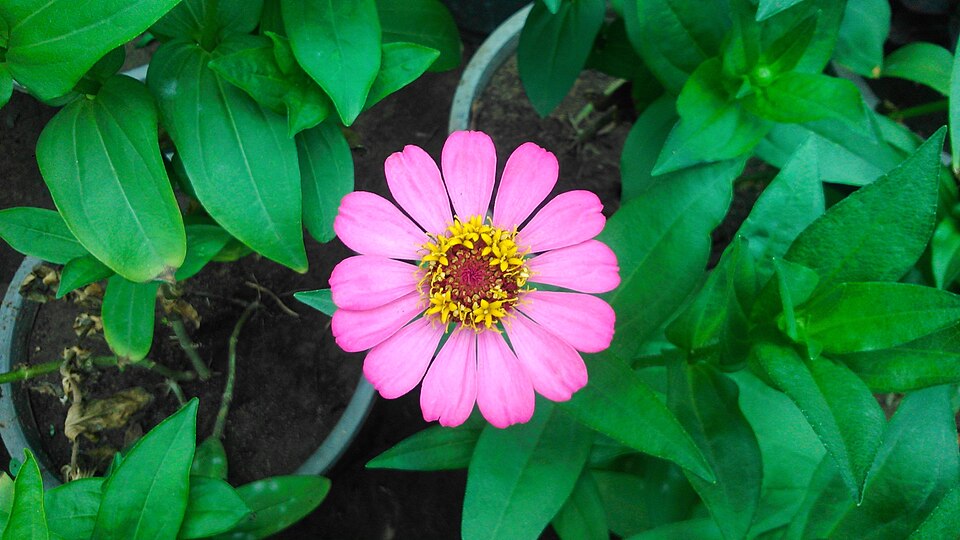
Common zinnia, Zinnia elegans, includes small plants for a front edge and tall ones that carry large flower heads above the bed. Look for the ring of small yellow florets near the center of an open flower head. Cultivars differ in how much of the center is exposed, how tall the stems become and how readily the plants branch. Choose for the space you intend to fill. The same plant makes a fairer comparison between sowing dates, but a second cultivar can be useful if you already know the first one struggles with your late summer conditions.
Reserve ground the first planting will not shade
Set a stake at the height listed on the packet and look at the shadow in the middle and latter part of the day. A row behind tall zinnias may receive considerably less sun once the first planting fills in. Pick an open end of the bed or a second strip of similar width that will still be sunny later. If you can reach both plantings from a path, you will be able to sow the late one without kneeling on the roots of the early one.
Allow mature leaves room to move in the breeze. Zinnia spacing can vary from less than a foot for some narrow forms to much more for broad plants. Consult the packet or tag and mark the distance between centers. A short row at the right spacing can look full once the branches fill out. Leaves packed tightly in a closed canopy tend to hold damp air, and it becomes difficult to find a straight stem without dragging the cut flowers through the rest of the row.
Keep the spare strip manageable until sowing. Pull weeds while they are small. A thin covering of suitable mulch can help protect the bare area, provided you can move it away when it is time to sow and allow the soil to warm. Keep at least one path clear. In a tiny garden, reserve two or three planting places rather than half the plot. A few newer plants among older ones can change the look of the entire bed.
Use soil warmth and the season to set the dates
Zinnias are tender, warm-season annuals. Sow in open ground after frost danger has passed and the soil has warmed. University of Minnesota Extension uses about 70°F as a direct sowing benchmark. A little warmth at the surface in late afternoon does not guarantee the soil will be warm at seed depth in the morning. Check during a normal spell and choose a stretch when the ground is likely to stay warm. Give the bed time to dry if spring rain has left it saturated.
Sow in a fine, loose surface at the depth on the packet. For many zinnias, about a quarter inch of cover is suitable. Mark the line before watering so you can find each group once you see green. Keep the immediate seed zone evenly moist through emergence and use a gentle stream. Thin where several plants come up too close. You can also use individual cells indoors for a small transplant batch, setting them out once they have adjusted to the weather. Carry the root ball intact so the shoots can resume growth quickly.
Choose the second sowing date by working back from the end of reliable warmth. Use the cultivar’s estimated days to flower, check how the first row developed and allow a margin for cooler late-season weather. If the projected first flowers would open near the usual first frost, sow earlier or choose a quicker selection. Where summers are very hot, also plan how you will keep young seedlings watered while they establish. Two or three weeks between sowings may create distinct stages in one climate, while warmer soil may help a later sowing close some of that gap elsewhere.
Write the sowing date on each marker, then add the first date you saw a true leaf and the first date the group made open flowers. If both groups flower within a few days of each other, compare how warm their seedbeds were. A slow start in the first row may explain a narrow harvest gap better than anything the second row did after flowering. Next year you can adjust the early date or leave more time between plantings.
Keep early and late plants on separate watering checks
The late row may need gentle, frequent checks while the early row is established enough for deeper, less frequent watering. Put a finger into the ground beside the old plants and look at the soil around the young ones. Turn on the hose only if you know which row needs it and where the water will go. A drip line or a can aimed at the ground can keep wetting to the root zone and make it easier to water the two areas separately.
Inspect the later row after storms and on hot windy days. A crust can form over small shoots. A newly transplanted plug may be dry while the larger bed looks damp. If young plants disappear in patches, look for evidence of weather injury, slugs or disturbed soil before restarting the entire row. When enough have survived to make a useful group, rearranging the spacing or starting just a few replacements can leave the planned flowering window largely in place.
Once the second group is growing well, stand at the end of the bed and look for leaves touching well into the next row. Redirect a hose to keep the path dry, remove any vigorous weeds that have crept in and choose which stems you expect to cut. You can improve access over time by clipping usable flowers and taking out individual declining plants. Avoid clearing a whole section as soon as the first flower fades, since fresh side shoots can keep it colorful while the next row grows.
Learn to feel a stem before taking it indoors
A bright zinnia flower can be open before its neck is strong enough for cutting. Hold the stem a few inches below the head and move it gently from side to side. A head that flops sharply suggests waiting. A stem that stays firm with the flower upright is a better prospect. Try the movement on two dates with the same plant and note how the flower changed. That small comparison may be easier to repeat than judging readiness by color in different light.
Use clean shears and have a clean bucket of water ready. Cut above a pair of leaves or a side branch where there will still be enough healthy foliage for the plant to grow. Handle large heads so they are not turned sideways by their own weight. Once indoors, remove leaves below the waterline and refresh the vase water as needed. Plants set aside for the garden can keep older flowers until they fade. Cut spent heads before seed develops where you want more side flowers and have no plans to collect seed.
Watch which group is doing most of the work. If the first plants still make good stems, keep harvesting them and let the second group fill out. If the second row catches up rapidly, keep a couple of blooms on the old plants for the garden while you begin taking firmer stems from the younger ones. The extra sowing gives you the ability to harvest without taking all the color from the bed in one visit.
Read leaf damage separately from flower age
Common zinnias can develop powdery mildew. Look for a pale powdery growth on older foliage and watch whether it spreads upward. A few marked leaves late in the season may leave plenty of sound growth and useful flowers. A plant losing much of its foliage early is a different matter. Check spacing and irrigation, and remove badly affected plants if they are declining. Dispose of old infected material according to local guidance, especially where the garden has had repeated trouble.
A later planting does not make mildew disappear. It may give you a fresh set of stems while the older row declines, depending on cultivar and weather. If both sowings show trouble at the same time, look for a better-ventilated site or compare strains recommended in nearby trials. Record the date you first saw symptoms in each row. A plant that has few marks after most of its flowers have faded can still have given a useful display. A cultivar affected before the first cut may be a poor choice for your conditions.
Save the two planting dates and the date the second group first gave you a firm stem. Notice whether the reserve patch was easy to reach after the early row leaned into the path. That record helps you decide how much ground to leave open next year. The most useful second sowing is often the one you can plant, water and pick without disrupting flowers that are still doing well.
Further reading: University of Minnesota Extension guide to growing zinnias.