8 min read
Keeping Your Favorite Dahlias for Next Year
Mark good plants while they flower and give their tubers winter care suited to your soil and climate.
On this page
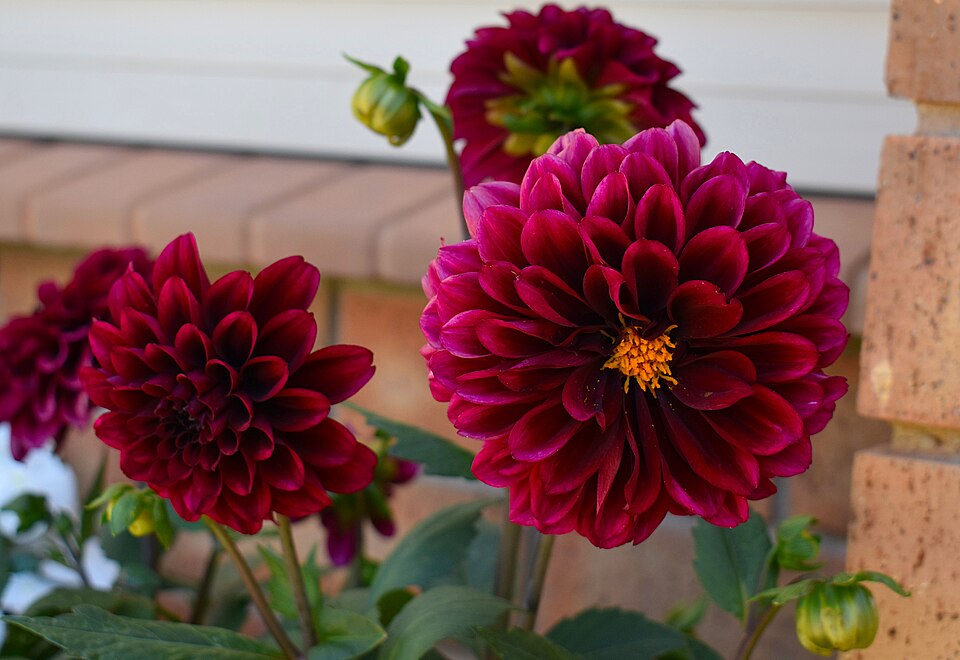
A dahlia worth saving usually makes itself known while it is still in flower. It could be the one whose dark petals hold their color in sun or the one that sends up fresh stems after everyone else has gone quiet. That is the time to find its label. After frost the clumps in a bed can look much the same, and a buried tag may be hard to find in the mud. Start your winter plan while you can still see what you like about the plant.
Keeping two or three favorites also makes the work easier to learn. Walk along the row, look at the size of each plant and decide which ones deserve the room again. Take a photograph that shows the flowers and enough of the bed to tell the plants apart. Put a durable tag near each selected plant, with its variety or a short description and the year. If you bought several plants on the same label, give individuals a number. One plant may have been stronger even though the flowers looked almost identical.
Give the clump a good start
Dahlias are tender tuberous perennials. They need a warm place with sun and roots that can receive steady moisture as well as air. Plan to put them outside after the local danger of frost has passed. If you want to start dormant clumps ahead of that date, use a frost free place where new shoots will have enough light. Give the plants a gradual introduction to outdoor sun and wind before leaving them out full time. Watch the forecast during that transition, especially if a mild week follows cold weather.
Space each plant according to the mature size given for its cultivar. A compact bedding dahlia can fill a shorter container or a spot along a path. A tall variety may need a wider patch of soil and a sturdy support. Imagine how much room the stems will occupy once they have several flowers and are heavy with rain. Leave enough space to reach the center of the plant with a tie or a pair of snips. If you plant in a row, leave a way to reach it from both sides.
Choose the place for stakes while the root area is still visible. Set a strong stake beside the crown as you plant, with clearance for the clump to expand. On a wide plant a small ring of supports can distribute weight better than gathering every stem against one cane. As the stems lengthen, tie them loosely with a soft tie or support each new tier of growth. Check the ties on windy days and after a heavy rain. A little extra slack leaves room for stems to thicken.
Spend a few minutes with the flowers each week
Look at the soil while the plants are actively growing. A warm dahlia bed may dry faster under the outer leaves than it does along a shaded wall. Water the root zone when it needs it and make sure enough water goes in to reach below the surface. Containers merit a closer look in hot weather, especially once roots have filled them and tall foliage casts a shadow over the mix. A pot can look protected while the wind is pulling water through the whole plant.
Follow each fading flower down to a healthy pair of leaves or to a suitable branch point when cutting it away. This leaves a tidier outline and a shorter piece of bare stalk. Examine the head before you cut. On many dahlias a spent head is pointed, while a fresh unopened bud is rounder and firm. The difference becomes easier to see when you look at an open flower and one of each kind on the same plant. Remove heads with loose, browning petals and keep full buds that are still swelling.
As you tidy, pay attention to the shape of the plant and the number of stems you actually use. A medium sized plant with a succession of upright stems may be more useful in a small yard than a heavily branched giant whose blooms need a support in every direction. Keep a note about flowering height and whether that spot was sheltered. Write down which plants stayed attractive after a spell of rain and which needed attention every time the wind rose. Those observations are worth keeping along with the color.
Choose a winter plan for the patch of ground
In a mild climate with good drainage, some gardeners successfully leave dahlias in the bed. Consider how much winter rain reaches the clump and where meltwater goes during a thaw. A slightly raised bed can drain before the ground around it. A low pocket at the foot of a hard path can collect water every time it rains. Leaving tubers in place puts less handling stress on them, with winter survival depending on the local cold and the soil conditions around the crown.
If you choose to leave a clump, mark it with a tall durable tag that you can see after the tops die back. Follow local guidance on insulating mulch and leave room for water to shed from the bed. Marking the spot also protects it from a spade when you add spring plants. Check the ground after prolonged wet weather. A sheltered patch may keep the clump dry enough in a typical winter while a very wet season exposes a drainage problem there.
Lift tubers when hard freezes or extended winter wetness make outdoor storage uncertain. When the first frost blackens the tops and working conditions permit, plan to lift soon afterward. If your forecast shifts from gentle frosts to a hard freeze and the soil is still workable, use a suitable earlier window. In a very mild site without a clear first frost, follow local advice and consider lifting as growth declines when you need to store the tubers out of the ground. Record which plants were lifted and which stayed. That small note will be useful when the first new shoots appear.
Lift without pulling on the stems
Keep the tag within reach as you cut the stems back, and arrange a place to set each clump when it is out of the ground. Work a fork or spade into the soil beyond the base of the plant. Loosen the soil in several places and lift underneath the clump with the tool. A cluster that feels stuck usually needs more loosening on a different side. Steady the lifted clump by supporting its weight below. The narrowed necks where the tubers join the crown can snap if the stems are used to pull the whole thing free.
Shake or brush away enough loose soil to inspect the crown. Put damaged, very soft or decaying material aside and keep it away from sound plants. Allow surface moisture to dry in a cool, sheltered, frost free area with airflow before packing. The cut stems may hold water, so let that drain. Lay each clump where air can move around it and keep its label with it as it dries. Avoid leaving the clumps on a sunny paving slab in a strong wind where they will lose moisture quickly.
Some growers divide immediately, while others leave the clumps intact until spring when the growing points are easier to see. If you are new to saving dahlias and have storage space, keeping the clump together is a practical first choice. Look for a little of last season's stem and the tight area of crown at its base. That is where a viable growing point develops. A large storage root on its own can look sound and still lack the part of the plant that produces shoots. Keeping the crown intact gives you time to look more carefully at it next season.
Check the clumps during winter
Choose a cool, frost free place with enough air movement to avoid stale, wet conditions. Put labels where they can be read without lifting each clump. A shallow crate makes it easy to inspect several together and see whether damp material has collected beneath one. Follow suitable local storage guidance for whether to use a packing material around the clumps. Your choice will depend on the dryness of the space. An outbuilding that swings between damp spells and freezing weather needs a better protected location.
Peek in from time to time. If one clump softens while its neighbors stay firm, separate it and examine the affected area. Inspect the storage place for moisture or condensation. A little wrinkling may be normal, and steady shriveling tells you the spot is too drying. A small group is easier to check than a box crowded with undistinguished roots. Keep the most valued varieties apart so a problem in one package has less chance of spreading to the whole collection.
As the growing season approaches, look for eyes or small shoots near the crown on the clumps you intend to divide. Give each division a sound storage root, an intact neck and a piece of crown with a growing point. If the growth points are hard to see, give the clump more time. Label the pieces before you move on to the next plant. That order is especially helpful if you are trying two looks from the same variety, such as a clump at the back of the bed and a single division in a large container.
Before planting, take another look at the photo and notes you kept while the clump was flowering. Use them to decide which plants need the tall stakes and where you want the deepest colors. Mark plants that return from the ground as well as the ones that come out of storage. At the end of the next growing season you can look at how both groups performed. Save the ones whose stems and flowering habit suit the space. Each year the labels will carry forward a clearer idea of which dahlias you are happy to make room for.
Further reading: Royal Horticultural Society guide to growing dahlias.