7 min read
Give Blanketflower the Dry Ground It Needs
Use a sunny edge with room for water to drain, then help this prairie perennial get established before you ease up on watering.
On this page
The best time to choose a spot for blanketflower is after rain. Walk around the bed a few hours after a steady shower and compare two places with similar sun. The lip of a slope may already be draining, while the dip below it holds a film of water. In July both can look dry and hot. In winter the difference matters more, because a blanketflower crown in cool, wet soil can sit there long after the flowers that drew you to the plant have faded.
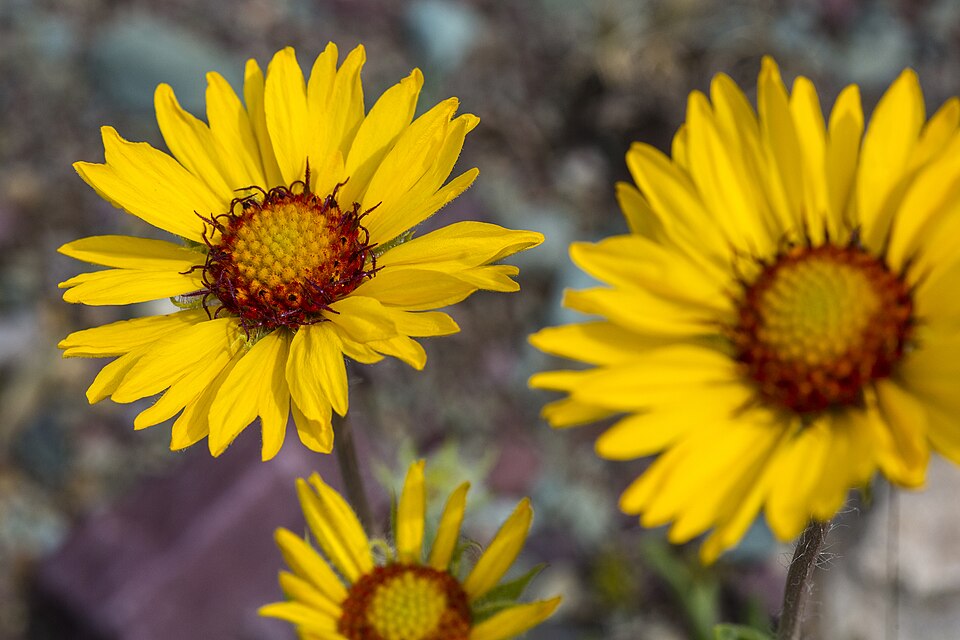
Gaillardia aristata is a perennial blanketflower native to parts of North America. Its stems carry daisy-shaped heads above a low gathering of leaves. Some flowers have yellow rays around the entire head. Others combine red and yellow or have dark reddish disks. A few plants can bring color to a lean roadside-style border, but the name on a nursery tag makes a difference. Annual blanketflower and garden hybrids share that common name. Check for Gaillardia aristata on the label to make sure the plant suits a border planned around a perennial that will stay in place.
Read the bed from the side
Stand where you can see the grade of the ground. Rain may run off the path and collect in a planting hole, even if the soil farther along the bed looks friable. A tire track, an old brick edging or a clay layer below a top dressing can keep water at crown level. Follow the water through the site before asking where the blossoms will face. A sunny strip six feet away may suit the plant better if that strip sheds water without losing every drop available to young roots.
Where you suspect poor drainage, check below the surface with a trowel after a reasonably ordinary rainfall. A pale crust can cover sticky, saturated soil. Compare the same depth at a slightly raised spot. The test is a comparison within your garden, so make it at a time when both spots have received similar rain. Repeat after a second storm if the first followed an unusually long drought and the ground behaved differently than usual.
Take care with the familiar idea of making one small pocket of improved soil. If the rest of the bed drains slowly, a pocket full of loose material still has to empty into the surrounding soil. Raising a shallow planting strip or choosing a naturally open edge gives water a way out. Where you have no suitable ground at all, a well-drained container is a practical test. Set it where the bottom openings stay clear and where runoff won't gather in a saucer through a wet winter.
Buy for the width that stays after bloom
Before buying anything, lay out the width listed on the plant tag. A straight species can make a clump about a foot or two across in favorable conditions. The flowers occupy an airy layer above that width, which is why a flowering plant may look smaller than it will become. Imagine a hand-width of space between the edge of the clump and a neighboring dense mound. That space keeps the low leaves in light and lets you reach the crown without stepping on the plants.
In a garden near a natural area, choose stock with a known name and local suitability. The native range of this species includes much of the northern Great Plains and parts of the West and Canada, with regional differences. A garden variety sold far from where it arose may establish readily, but it is worth asking a regional nursery about alternatives for a planting meant to support nearby habitat. Leave wild plants in place and work with nursery stock.
Pick neighbors with compatible watering needs. A low grower that likes bright, draining ground can fill the forward edge and show the rising flower stems. A thirsty neighbor may require irrigation long after the blanketflower has had enough. A tall wall of foliage can hide the crown and shade it by midsummer. Set the pot in the intended position before planting and look from the path. If the nursery plant already disappears between the neighbors, a mature clump may still need a different place.
Set the crown where you can see it
Plant when the soil is workable and you have time for aftercare. A sunny site in peak heat is hard on a freshly moved root ball, so use a milder spell where the local season allows it. Water the nursery pot if the mix is dry, then ease the root ball out with its roots reasonably intact. Plant so the soil surface falls near the existing crown level. Shifting it where water runs off may do more good than setting it higher in one little hole surrounded by a shallow basin.
The first watering settles loose soil around the roots. Over the following weeks, inspect both the root ball and the ground beside it. Peat-based nursery mix can dry faster than heavier garden soil, especially when a hot wind crosses the bed. A moist patch next to the plant tells you little if the small plug remains dry. Water thoroughly when the root ball needs it and check again later to see whether it dampened all the way through. Wait until the soil has begun to drain and dry before adding more.
Ease back as growth takes hold. Look for a firm crown and new leaves that stay steady through a normal warm afternoon. Established blanketflower tolerates dry spells better than a recently planted pot, though extended drought can still call for water. Aim the hose at the soil, away from the foliage, and give the roots time to use the moisture. If the garden is on automatic watering, separate this strip from lawn sprinklers or review how much overspray reaches it.
Follow the clump when a stem fades
Glance at the low leaves before working on the flowers. A vigorous crown may have several new stems even while an early head is drying. Clip tired heads down to a healthy side shoot or a lower cluster of leaves if you want a tidier display and continued flowering. Wear gloves if the bristly stems bother your skin. You can do a few cuts while standing on the path as long as you have left enough reach.
If there is room for seedlings and the species is appropriate locally, leave a few flowers to mature. Seed heads have their own outline, and birds may visit them. A neat gravel strip can also collect a surprising number of new plants. Check whether seedlings are turning up outside the intended bed and remove extras early, while they are small and easily lifted. In a compact strip between paving stones, clipping all the spent heads before the seed is shed may be the better fit.
Check for trouble near the base if the whole plant declines. A blanketflower can droop from a dry root ball, but a wilted plant that has been sitting wet needs a drainage check before it needs more water. Find out how wet the soil is at the root ball, look for soft or darkened tissue and review recent rainfall. Overwatering and slow drainage can lead to root rot. If yellow or distorted flowers and leaf symptoms spread among several plants, ask a local plant clinic before treating the bed. Different problems can give a similar first impression.
Watch what happens through winter
Before the wet season, clear accumulated leaves away from the crown. Keep any top dressing light where stems emerge. A gravel edge can be useful because it leaves little moist organic material sitting on top of the plant, but stone alone does not correct trapped water deeper down. Look again after the first hard rain of the season. If runoff is now pooling at the edge of the crown, opening a shallow path for it or improving the grade farther away can keep that water from sitting against the plant.
Containers need attention from below. If a pot stands on a flat patio, check that the surface has not sealed off its central opening. A few stable pot feet can leave an exit for water. Keep a movable container in a bright place with reasonable winter exposure for your climate. Roots in a pot may encounter colder air than in a bed, so take the species, pot size and local freeze patterns into account. A shelter that stays cold but sheds persistent rain can be useful where winter temperatures allow it.
In spring, look at the center and outer portion of the crown before pulling the whole plant. A perennial coming back slowly may show new growth at a few points at first. Compare it with any other plants from the same batch, since one thriving in a higher spot tells you more about the site than a calendar date will. If plants in the wet pocket fail and the drier ones recover, use that difference when choosing a replacement site. Blanketflower can be relatively short-lived even with good care, so follow two or three seasons before drawing conclusions about a single loss.
A note beside the plant name is enough to remember the main decisions. Write down when the bed puddles, when you first reduced irrigation and whether seedlings came through where you wanted them. If you buy more plants the following year, put them in the stretch that carried the first ones through winter. You will already know how far the clumps spread, where you can reach the flowers and how the planting looks after a heavy shower.
Further reading: NC State Extension guide to perennial blanketflower.