7 min read
Keep a Rooted Backup of French Tarragon
Buy a well identified plant for its flavor and preserve that particular tarragon with a healthy cutting or division.
On this page
The most useful tarragon in a small herb garden might be one plant that tastes exactly the way you wanted. If it fails in wet winter soil, a packet marked “tarragon” may give you a very different plant. Take a rooted backup while the original is actively growing and in good condition. A small second pot can give you the same clone and let you try a more reliable winter position without putting the whole crop in one place. Keep both labels so the origin of the backup is still clear after the plants have been moved.
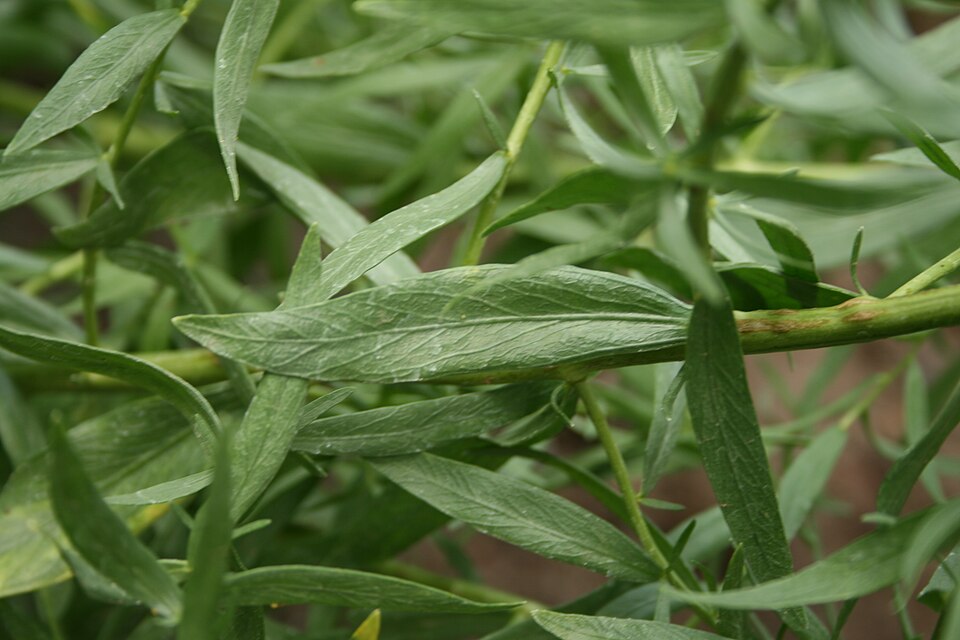
French tarragon is a cultivated form of Artemisia dracunculus. Gardeners also grow other forms, including Russian tarragon. French tarragon ordinarily does not produce usable viable seed. It is typically bought as a labeled plant or propagated from an established French plant by division or cuttings. The species name alone does not guarantee the flavor you expect. Buy the plant while it has enough healthy shoots to examine, and keep its nursery label through the first winter if you plan to divide it later.
Buy a labeled plant you want to maintain
Look for French tarragon at a nursery that identifies its plants clearly. Ask how the plant was propagated if the label is vague. A nursery plant raised as a cutting or a division from known stock gives you a useful starting point. A seed packet labeled only “tarragon” may be perfectly suitable for someone seeking another form, but should not be taken as a predictable way to reproduce a French clone. Choose the actual plant with the purpose in mind, then retain its original label.
Inspect the lower stems and the root area if you can. Healthy shoots should be useful for a period of active growth, with sound bases and no obvious decay. A neglected pot can look green on top while the root ball has been sitting in a pool of old water. Take an intact plant with enough healthy foliage to establish before you cut from it. Decide where the parent will grow before bringing it home. Its root conditions matter more to the backup plan than whether a cutting can be attempted immediately.
Set the parent in warm bright conditions in well-drained soil. A separate pot can make watering easier when the surrounding herbs need different moisture. Use a mix that drains and leave enough room around the rim to water without spilling the upper layer. Empty any collected water. In the ground, avoid a low pocket that stays wet around the crown in winter. Keep the plant accessible so you can check the root zone when leaves are full rather than assuming a sunny position stays dry all the way down.
Give the parent a normal stretch of growth
After planting, water it in well and give the root ball time to enter the new soil. During active growth, let the upper part of the medium dry between waterings and avoid standing water. Newly established plants will need closer checks than old ones. A shallow watering that leaves the central roots dry is different from letting a well soaked pot dry gradually. Lift the pot or check its weight if the surface is hard to read. Feed only as needed for the growing medium and follow the product directions.
Take sprigs for the kitchen while growth is tender and vigorous. Use correctly labeled culinary plants grown under appropriate conditions. Cut a few tips with clean scissors and leave much of the foliage to support further growth. A little French tarragon has a strong flavor. Small cuts can spare a young plant the effort of replacing a large amount of leaf. Save a sound actively growing shoot for a cutting when the plant has enough stems to do without it. A parent that is already weak or coming out of a wet winter is a poor starting choice.
Decide where a small backup pot will go once it has rooted. A bright protected site with a somewhat different drainage situation tests one of the risks to the parent. If you plant both in the lowest part of the same bed, an extended winter wet spell can affect them together. If you keep both in the same exposed position, a tipped container or heat against the wall can be a problem for both. Give the second plant useful light without exposing it immediately to the strongest sun as it settles.
Consider whether a cutting or division is easier
For a cutting, choose a vigorous young shoot and prepare a small clean pot with an open rooting medium before taking it. Use clean sharp tools. Keep a useful group of leaves near the top and clear enough of the lower stem to set that section into the medium without burying leaves. Follow local growing instructions for the appropriate stage and length. Label the new pot immediately. A cutting without a label can look like any other young narrow-leaved herb after all the pots have been moved to shelter.
Give the cutting a protected light position without direct heat on tender leaves. Keep the rooting mix lightly moist with airflow. Standing water and a soggy medium around a small shoot are poor substitutes for steady moisture. Check the lower stem and condition of the leaves without repeatedly pulling the cutting out to inspect it. New growth followed by a useful degree of anchoring is better evidence of rooting than an unchanged leaf. Wait until it can support itself before moving it to a much larger pot or full outdoor exposure.
Division can be useful when an established parent already has more than one sound growing point. At the beginning of spring growth when conditions suit, ease the root ball out and find a section with live shoots or buds and its own roots. French tarragon roots can be brittle, so disturb only what you need. Support both portions and make a careful separation. Replant promptly at the original depth and water the roots in. A vigorous portion with a sufficient amount of root is worth keeping even if it is smaller than the piece you first planned to take.
Keep the second plant small enough to check
Give a newly rooted backup its own modest container when it is ready. Keep the date and original name with it. Check the condition of the roots before choosing a much bigger pot: a little rooted piece can stay wet too long if surrounded by a large amount of fresh mix. Step up as the roots and growth call for it.
If the backup goes to a friend, explain how it was raised and how dry the root area usually becomes before watering. A note about the original site is more useful than a long list of assumptions about the new one. Ask them to label it as soon as they set it down, while its identity is still clear.
Check the two plants through different conditions
Set the backup in suitable light as it establishes. Let it make some healthy new growth before taking cuttings or sprigs from it. Compare the moisture of the two root balls after watering. An older plant in the ground can use water differently from a small pot. A leaf on the backup that turns dry or curled warrants seeing whether the mix is very dry or stays too wet. Check temperature and exposure as well. Use that plant to learn which parts of the watering routine need to change, rather than giving it the same amount as the original.
When the plants slow for a cold season, inspect the drainage and put the pots where they can avoid persistent wet conditions appropriate to your climate. Keep the label with the crown when the visible stems die back. Check with local horticultural guidance where winter protection is needed. A very wet protected pot can still be a difficult place to keep the roots. The ability to put the backup where you can assess the soil is one of its advantages.
If one plant fails, inspect the other before you take another backup from it. Review which one was wetter through the quiet period and which had the healthier new shoots when growth resumed. Replace the failed plant only after identifying a position where it will have a fair chance. If both are healthy, keep the stronger one accessible for light harvest. The second can stay small until you have a reason to plant it out or give away a properly labeled rooted piece.
Keep the record with the living plant
Put the original source and the propagation date on a durable label. If you give away a cutting, include the name that came with the parent. Do not combine unrelated pots simply because both are sold as tarragon. The plant that worked for you is your reference. Keep it growing strongly enough to provide a few stems and a replacement when needed. A carefully labeled backup preserves that practical choice through the changes in soil and weather that a garden sees over several seasons.
Further reading: Utah State University Extension guide to French tarragon.