7 min read
Keep One Clump of Garlic Chives for Leaves and One for Flowers
Make regular cuts from a harvest clump and let a second clump bloom without letting every flower set seed.
On this page
If you cut every fresh blade of garlic chives as soon as it is long enough to use, the clump may never look the way it did when you chose it in flower. If you leave all the foliage alone until it blooms, the leaves may be less tender during the weeks you wanted to pick them. Give the two uses separate places. One clump can serve as a small source of fresh leaves. A second can make the round white flower clusters the plant is known for. Mark both and choose a moment to remove the flower stalks before you inherit a much larger planting.
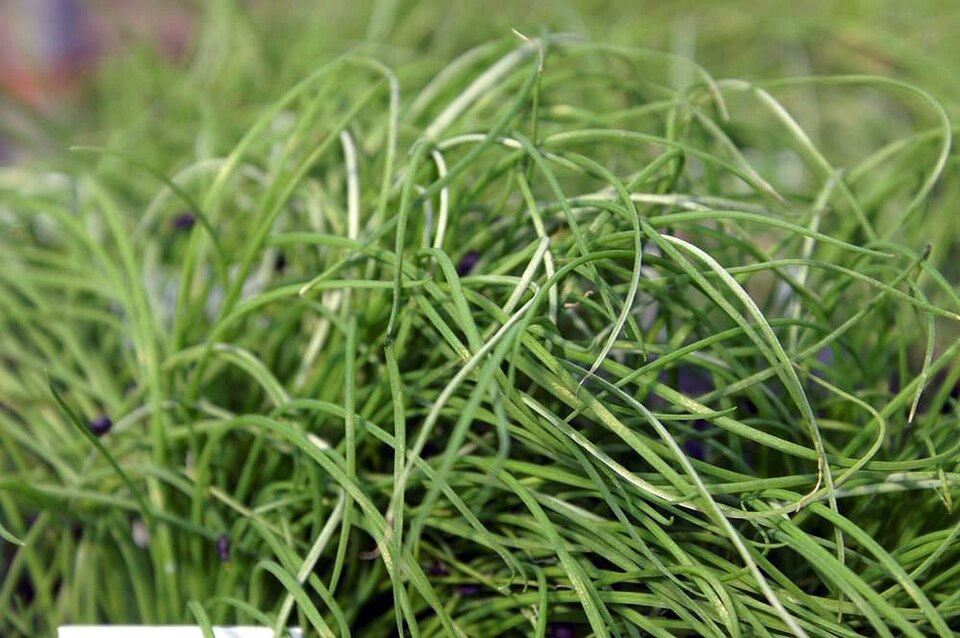
Garlic chives are Allium tuberosum. They have flat straplike leaves and a garlic scent when the foliage is cut. Common chives have narrower hollow tubular leaves and a different flavor. Buy clearly labeled cultivated plants. A look at the nursery label is more reliable than assuming every grassy plant with a garlic smell is suitable for use in the kitchen. Keep the planting identified, especially if you grow several different alliums with similar leaves.
Set up two clumps you can reach at different times
Pick a sunny place with soil that drains and convenient access. Put the harvest clump near the route you take to the kitchen or the part of the bed where you already gather other herbs. Put the flowering clump where you can enjoy the white heads without removing any of the foliage you plan to harvest that day. They can be at opposite ends of a small bed or in separate containers on the same paved surface. If space is limited, start with one established division and one healthy nursery plant of similar size.
Drainage matters even when there is plenty of sun. A pot with working holes and enough volume for a modest clump is easier to manage than a crowded planter with a shallow root zone. Keep a clear area under the pot so water escapes after rain. Where a bed stays wet for long periods, a freestanding container may give the bulbs a better chance. Paving also keeps any escaping roots more visible than a container sunk into the middle of a bed. A pot still leaves the seeds free to fall, so plan to inspect the ground around it after bloom.
Label by use as well as by name. A short note at the harvest side prevents someone from accidentally trimming the flowering clump just as stalks begin to rise. Position the label where the leaves will not cover it completely. Ensure both clumps have access to light and water. A shaded specimen grown for display may behave differently from a well tended one in sun. If you want to compare how frequent harvesting affects growth, begin with plants in broadly similar positions.
Start with light cuts while roots settle
Plant at the depth the clump grew before and water in the surrounding soil. Keep the soil moist during establishment without keeping it saturated. On newly divided plants, let fresh leaves develop before taking much. A few blades may be enough to test how you like their flavor. Hold the leaves together loosely and snip selected green growth with clean scissors. Leave the base and the healthiest remaining leaves intact. Take small amounts on separate visits instead of repeatedly making a large cut before the young clump has time to recover.
Use known cultivated foliage that has been grown and treated appropriately for food. Rinse it before using and store or use it with normal food handling care. Keep alliums away from pets that might chew them. The leaves have enough flavor that a portion from a small patch can be useful even when you prefer to keep most of each blade on the plant. Note how quickly the cut clump makes fresh growth after a harvest. Its response depends on light, water, season and the amount of leaf removed.
When the weather is hot and the pot is drying between checks, reduce the amount you cut at one time. Water according to the condition of the root area. Look beneath dense foliage before relying on a light shower. If the upper part feels dry and lower soil is still cool and moist, avoid adding another full watering out of habit. A dense established clump may use water rapidly in sun, and one in low light or colder weather can stay moist for much longer. Compare both clumps individually.
Note what grows after a larger cut
If a harvest clump has plenty of established growth, try a single more substantial cut on one side at a convenient time. Leave the remaining foliage in place and watch which part regrows first. A plant already drying rapidly in a small container may make few new leaves until its water supply is steadier. If the root zone stays damp and the cut side does not recover, check for crowding or a problem at the leaf base before repeating.
When the new blades reach a usable length, note roughly how many days passed and what the weather was like. Keep that interval with the label. In a warm bright period, the harvest side may be useful again sooner than you expect. Later in the season, leave a longer gap between cuts. Use the flowering clump to compare overall vigor while it still has most of its leaves.
Watch the flower stalks before deciding when to cut
On the flowering clump, leave a useful supply of healthy leaves through active growth. Round clusters of small white flowers rise beyond the foliage, often in late summer in colder temperate regions. The exact dates depend on where you garden. Leave the stalks while the flowers are open if the display is the reason you selected that position. Insects can visit the flowers. Observe the heads from a distance without disturbing visitors or reaching across the plant.
Once the main flowers fade, examine the developing seed capsules. If you want to prevent unwanted seedlings, clip spent stalks before the capsules open and scatter mature seed. Trace each stalk back so you can remove it without cutting a handful of healthy leaves. Check a second time a few days later for a shorter stalk the first round missed. Small capsule clusters can hide among the leaves, especially along the side toward a wall. Keep the clippings contained and handle seed-bearing material according to local plant guidance.
Use the path and nearby cracks as the early inspection area. Garlic chives can seed beyond an apparently well contained pot. Examine loose soil, gravel or joints where young plants might grow. If you find seedlings where none belong, remove them while their roots are small. Pay particular attention where your herb area adjoins natural ground or neighbors' gardens. Check local guidance before you let a large group set seed, and choose a suitable different herb if garlic chives are discouraged in your area.
Exchange the roles after division
An old container clump may eventually fill its pot. Signs can include a crowded mass of stems, reduced room to water and a rooted pot that dries very rapidly after a thorough soak. In a suitable spring growing period, lift it carefully and separate sound divisions that have roots and living shoots. Replant them promptly in suitable soil or mix and water to settle it. Keep only the amount you have space to tend. A single healthy division can make a useful new flowering clump without moving every part of the old planting.
If the harvest clump has been repeatedly cut and is tired, leave it alone for a while after division. Give the flower clump a chance to serve as the harvest group in the following season if its new growth is strong. Switch the labels before anyone starts picking. A new division can be small enough to establish readily without offering much immediate harvest. Expect to make lighter cuts until you see enough healthy foliage. Keep the established piece in a dependable spot while you learn how the youngest one responds.
Cold winters can take the foliage down. In milder conditions, some leaves may persist. During the quiet period, clear old growth as appropriate and ensure the pots drain in wet weather. Avoid digging into the labeled crowns just because the growing area looks empty. When fresh leaves come through, check where you will reach them. A pot set a little farther back can be pleasant to see in flower and inconvenient every time you need a few leaves.
Keep the amount you actually use
Before the next flowering season, look back at how often you gathered leaves and how long the bloom was visible. If a small clump supplied enough harvest, leave it that size. If the flowers were harder to see than expected, move one manageable container or select a more suitable viewpoint. The number of stems matters less than whether the two clumps covered their separate jobs. Keep making small cuts from the one by your usual route and let the other carry its flower stalks until you can see that they have finished.
Further reading: University of Wisconsin Extension guide to garlic chives.