7 min read
Grow a Row of Snapdragons for the Vase
Plan a small cutting row with tall snapdragons, early support and enough room to harvest straight flower spikes.
On this page
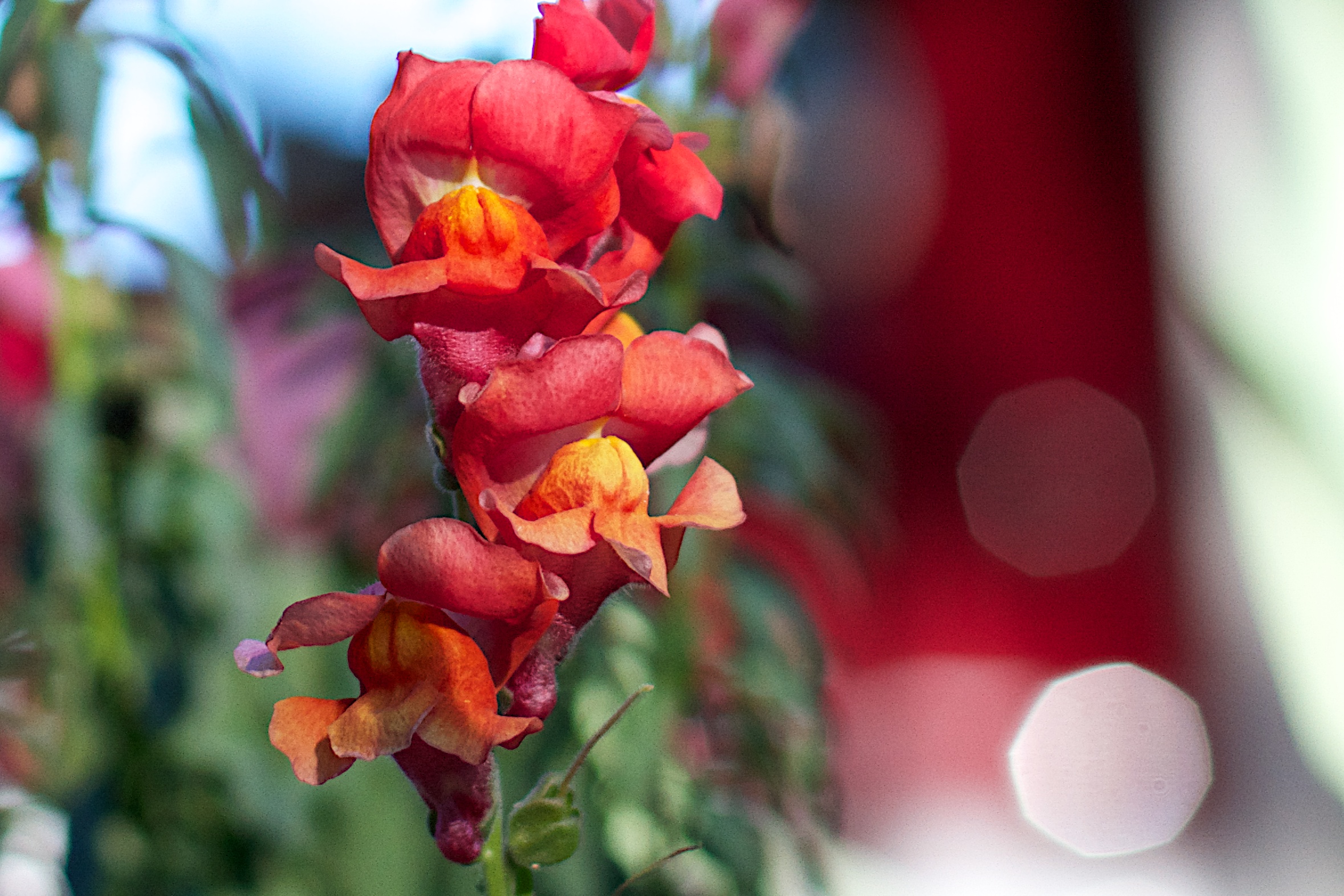
Pick a vase before choosing a packet of snapdragon seed. A squat jar can take the little stems from a bedding plant. For a tall vase, you need stems that rise comfortably above the rim once you have trimmed the ends. Both can come from common snapdragon, Antirrhinum majus. The cultivar sets much of the scale. If the nursery tag describes a plant that barely reaches your knee, it may make a beautiful border without producing the long flower spikes you pictured carrying indoors.
A narrow row of tall snapdragons can supply a few stems at a time without filling the entire garden. Run your hand above the row as if you were pulling up a stem. Think where you would stand to cut it, how you would thread it past its neighbors and where you would set down a bucket. Those small arrangements are easy to make while the plants are still short. A support put in after the first storm takes twice as much care to fit without breaking the spikes.
Choose a strain for the season you have
Common snapdragons are often grown as annuals and can persist as short-lived perennials in mild conditions. Many tall cutting strains make their best stems in the cool parts of the season. Look at the packet for expected height, season and the type of flower. Some blooms have the familiar closely fitted jaws. Others open more widely. The outline of the flower will change how a bunch looks from a distance, but neither one determines how long a stem you can harvest.
Cut-flower suppliers sometimes group snapdragons according to the light and warmth in which they flower best. If a supplier gives a group, check what it means for your setting. A strain developed for early controlled conditions can behave differently from one sold for bloom under stronger light and warmer conditions. Local trial results are useful if your summers heat up suddenly. For a first row, choose for the season when your site usually stays cool, sunny and workable for several weeks in a row.
Give each plant access to sun and air. A low area can stay damp when the rest of the garden is ready to work. If you can move the row, choose a free-draining patch with a clear reach on one side. Measure the width of that reach using the bucket you will carry. A row that looks tidy in a planting diagram may be awkward to cut if you have to come around a hedge or lean across a bed of other flowers.
Start seedlings with light at the surface
Snapdragon seeds are very small. Fill a clean tray with a fine starting mix and settle the surface before opening the packet. Sow lightly and use the packet directions for surface placement or the very light cover recommended by the supplier. Give the tray adequate light. Water gently so the seeds stay in place. If they are difficult to see, drop them from folded paper onto the mix over a pale work surface. A little extra spacing now saves time separating tiny seedlings later.
Move the seedlings into cells or small pots once they are established enough to handle. Lift each by a leaf or by the mix around it, taking care near the stem. Keep the plants evenly moist while roots fill those cells. A crowded tray may look full and healthy at first, then produce crowded stems that are hard to separate. Thin where necessary to keep plants upright and give the remaining ones more light.
Before planting, accustom the young plants to outdoor light and wind over several days. Start in a protected position and extend their time in the open as they adjust. Compare recent conditions with the forecast before leaving them out. Established snapdragons can tolerate cool weather, and young transplants still need protection from an abrupt freeze or a drying wind. Use local planting guidance to set the date. It is easier to shelter a small tray than to cover a newly planted row in the dark.
Put the support where you can cut through it
For a short single row, sturdy stakes and horizontal strings can keep the stems in line. Stretch the string between posts so it holds its position without rubbing against every leaf. A broader bed of tall plants can take horizontal mesh through which the shoots grow. Set the height and opening size for the cultivar so you can get your hand and the cut stem through. Secure the corners. Flexible material that sags in the middle may give less help to the plants that need it most.
Install supports before the plants are tall enough to get caught in them. Check the row from both ends and remove loose lines that could get in your way. After a spell of strong growth, look for side branches starting to bend under a string. Move the line or guide the branches while they are still flexible. A light adjustment early in the week can save a stem that would otherwise make a right angle after rain. Avoid trying to straighten an old bend by force.
Put a tall, empty jar at the side of the bed while you set the support. Slide a spare bamboo cane through a mesh opening and lower it into the jar. The motion shows whether the pitch of the support leaves enough room to lift a long stem cleanly. If the cane catches on nearby foliage or fencing, move the bucket spot before planting.
Decide whether to pinch from the kind of harvest you want. Leaving the main tip in place usually gives you an early spike from that stem. Removing a healthy growing tip on an established plant encourages side branches, which can supply more stems over time and may delay its first bloom. On a first planting, leave one portion intact and pinch only the compact, well-rooted plants in another portion if the cultivar suits it. Mark the two sections. You can compare the first harvest and the later stems without relying on memory.
Let the lower flowers tell you when to cut
A snapdragon spike opens in stages from the bottom upward. For a home bouquet, a good time to cut is when roughly the lower third has opened and the buds above are developing color. Utah State University Extension uses this stage for cut production. An almost bare spike with green buds may have less presence in the vase at first. One that has already opened almost to the tip has had more time to age outdoors. Check several spikes before choosing the stems you want.
Take clean, sharp snips and a clean bucket of water to the row in the cooler part of the day. Look down each stem before cutting so you know which healthy leaves and side shoots will remain outside. Take the length the vase needs and make the cut above a useful leafy part of the plant when possible. Bring the stem up through the support carefully, holding it beneath the flowers rather than pulling the tip across the mesh. Put it into water promptly and keep the bucket in the shade while you finish.
Indoors, strip foliage that would sit below the waterline and make a clean cut at the base before arranging. Keep the stems upright where you can. A spike set at an angle for an extended period can begin to bend upward. Change the water regularly and recut stem ends as needed. The trick to arranging a small harvest is to let one or two tall spikes establish the height and let shorter stems fill around them. Each new side stem can be useful even if it is shorter than the first one.
Look after the row between bunches
When the plants are making flowers, inspect the soil below the surface and keep moisture steady without keeping the bed saturated. Water near the ground where practical. Check the lower leaves as you work, especially if the foliage stays wet after watering or rain. Rust can appear as discolored spots and dark orange or brown pustules, often easier to see on leaf undersides. Remove affected material and seek a local diagnosis if spots spread or you are unsure what you see. Leave space around remaining healthy plants so air can move through the row.
Remove spent flower stalks where you want continued bloom. A plant that is tired in sustained summer heat may slow down even with tidy care. If it is healthy, watch what it does when temperatures moderate before pulling it out. If the branches are going down in several directions or the plant has continued to decline, use a replacement when locally suitable planting weather returns. Reusing the same space works better if the support and paths are still useful for the next set of plants.
At the end of the season, note which stems fit your vase and how much trouble they took to cut. If the first unpinched spikes were excellent and the later side stems too short, plant another small group timed to make those early spikes when you need them. If the branched plants supplied the most useful number of stems, give them additional space next time. Leave the support standing for a moment as the bed clears. Its shape shows where the flowers were easiest to reach.
Further reading: Utah State University Extension guide to snapdragons for cut flowers.