7 min read
Place an August Lily Along an Evening Walk
Give fragrant Hosta plantaginea room to spread, then check the site at the hour you will most enjoy its flowers.
On this page
All day the hosta you pass on the way to the door may be a quiet mound of green leaves. For a short part of the year, a fragrant plantain lily can make that same stretch worth visiting after dinner. Hosta plantaginea carries large white flowers that open toward evening in late summer or early autumn, with timing varying by climate and plant. Put the clump where you will regularly walk close enough to enjoy it. A specimen hidden beyond a hedge can flower beautifully without ever entering the part of the garden you use at that hour.
The name August lily usually refers to the Chinese species Hosta plantaginea. Many hostas differ from it in height, leaf color, flower time and scent. Check the plant's full name if you want its white evening flowers specifically. Fragrant hybrids are options if the nursery recommends one better suited to your region or available space. Give the choice a physical test using the expected clump width, the light during the day and the way you actually move through the garden near dusk.
Put the full size on the ground
Start with a generous estimate. NC State Extension lists a mature spread of roughly three to four feet for the species. Lay a piece of cord in a circle at that scale. Place its center far enough from the walk that the fully extended leaves will leave the path usable. A clump beside an open path can occupy more width than one between a narrow step and a fence. Leave additional room where you carry bags, walk with a companion or turn sharply at the gate.
Visit the marked spot at the time you hope to smell the flowers. A sheltered piece of border close to the walk can make sense. Very still enclosed corners may be dark during the day, and wind next to an exposed passage can change the experience quickly. Compare two possible spots without assuming that one architectural feature tells you the whole story. Stand in each place for a moment. If you have to reach beyond another shrub to see a pot there now, a broad mature clump will be difficult to work around.
Check where flower stalks are likely to rise. A piece of bamboo at the plant label's expected height can show whether the flowers will stand in front of a background you can see from the path. A quieter dark surface can make the white blooms easier to notice in low light. Keep occasional flowers and the long season of foliage in proportion. The main space will be occupied by a mound of green leaves. Make sure that shape works for the rest of the year as well.
Choose light and water together
Part shade and fertile, reasonably moist soil that drains are useful defaults. Hosta plantaginea may accept more direct sun than some hostas in cooler climates with sufficient moisture. Use that tolerance to choose a brighter spot where appropriate. Check for sustained hot afternoon sun in summer and for heat reflected off the walk. The same plant may cope differently a little farther from a pale wall or where leaves receive morning light instead of a long hot exposure. Review local gardening advice before committing to an unusually sunny site.
Shade below a large tree can look inviting and still be difficult to keep evenly moist. Check the soil after rain and again during dry weather at the depth where roots will grow. Avoid cutting existing woody tree roots to make room. If you cannot open a suitable planting area and water it sensibly, choose a different part of the shade border. Adding a heavy mound of soil or deep mulch over a tree's root system to accommodate one perennial creates a larger problem than moving the proposed clump a few feet.
Prepare a place where water can move away after a storm. Plant at about the same level at which the hosta grew in its nursery container. Settle the soil around the roots with water and keep any mulch away from the crown. Leave enough open ground to see the edge of the clump while it is being established. Deep loose material piled directly over new shoots can keep them damp and hide the place where they emerge. You can cover the soil nearby without covering the active center.
Look at foliage damage under useful light
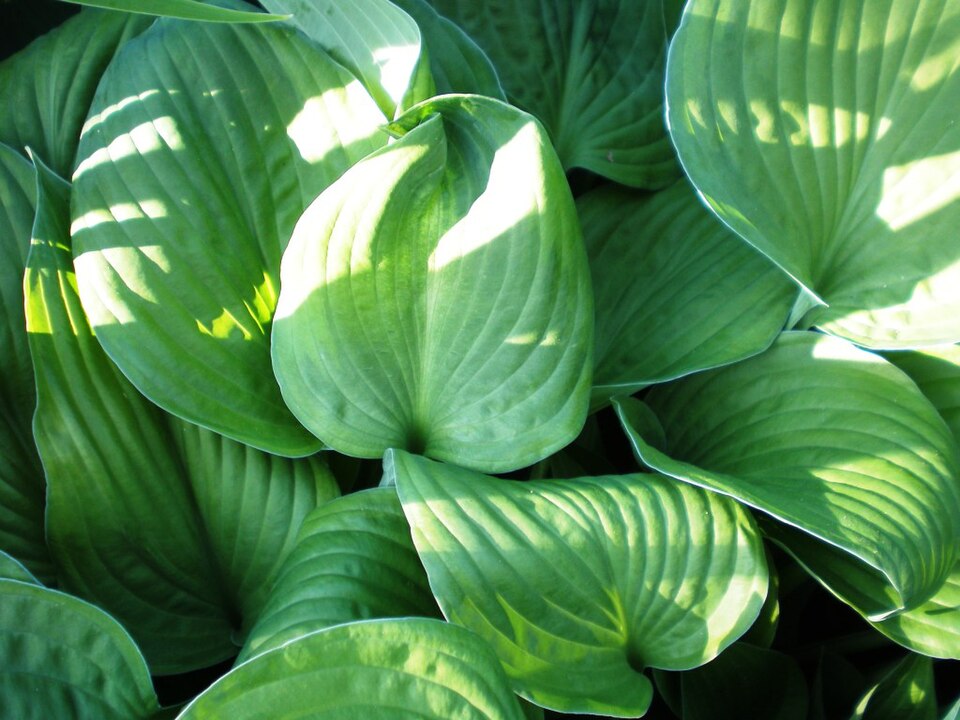
Good broad leaves make this plant worth keeping outside the flowering period. Examine any early holes while their edges are still fresh. Ragged holes and a shiny trail on nearby ground are reasons to look for slugs, particularly in damp conditions. Spend a few minutes with a flashlight after dark if you can do so safely. Look under a nearby board or thick layer of loose leaves during the day. The cause may be elsewhere. Hail, an animal browsing or repeated contact with sharp edging may injure leaves in a different pattern.
If you find slugs regularly next to fresh damage, adjust the conditions you can manage. Water early enough to limit prolonged wetness on leaves and apply it near the soil where practical. Remove a few obvious hiding places while maintaining the moisture the hosta needs. Inspect after wet weather and seek local guidance if damage is severe. A heavily shaded clump can retain dampness longer than another hosta nearby. This makes comparison useful before you assume the whole garden needs the same response.
Dry scorched margins on the exposed side lead to a different check. Feel the moisture beneath the outer leaves and look at the duration of strong direct sun. Check whether the root ball is drying faster than the surrounding ground, especially during the first season. A plant that only loses small areas of its oldest leaves can keep growing well. If new leaves develop unexplained streaking, mosaic or distortion, get advice from an extension service or plant clinic. Avoid dividing and sharing suspect plants until you know what you are seeing.
Give the flowers a fair chance
Visit at dusk over several days when flower buds approach opening. A photograph and short note can help you learn which part of the display is most noticeable from the walk. The first flower may open on a warmer night than the next. Compare its scent from standing height with the impression you had when bending over the pot at the nursery. If the flowers are clear but you never take that route at dusk, a bench, a frequently used door or a different section of path might be a better place for a future plant.
An established healthy clump that fails to bloom in a particular year merits observation before a move. Consider its age, light and how well the leaves grew. A recently divided specimen may be allocating resources to roots and foliage. An old well established plant whose light changed after a shrub filled in gives you a specific site change to investigate. Maintain adequate water in active growth and avoid repeated disturbance while you work out whether the flower timing and vigor fit that part of the garden.
Remove spent stalks if you prefer the foliage mound on its own afterward. Use a clean tool and cut where you can see the stalk clearly without taking healthy leaves. Let foliage complete its season, then handle old collapsed leaves as appropriate for the site. Keep winter access to the crown and mark the place if it lies near a route you change seasonally. Limit access for pets that chew plants, as this species is listed as toxic to cats, dogs and horses.
If you live in a mild district where the usual bloom timing differs from the name August lily, record the first flowers on your own plant. Note two or three dates from the same clump across years. During those weeks you can compare the warm boundary of a terrace with a cooler path farther from the house. The difference matters when deciding where a second plant might extend the display.
Leave a good clump in place until you need room
Division can make sense if the leaves have grown into the walk or you want a second plant. Work at a locally suitable cool time, often early spring before the leaves open fully. Keep living growing points and roots on each piece and give divisions time to settle. A mature clump that is vigorous and has room needs little reason to be disturbed. Where the leaves begin to touch the path, a small change in surrounding plants or edging may be enough to preserve the view you planned.
At the end of the season, look at your marked position again with the biggest width in mind. If you can walk easily and see the white flowers from a comfortable distance, the coordinates matter more than the number of stems. Keep that reach open as other plants mature. The best test of a fragrant hosta is whether the flowers become part of a route you already enjoy.
Further reading: NC State Extension profile of fragrant plantain lily.