7 min read
Grow Grape Hyacinths in a Pot You Can Reuse
Get a close view of spring muscari, then decide where the bulbs should spend the rest of the year.
On this page
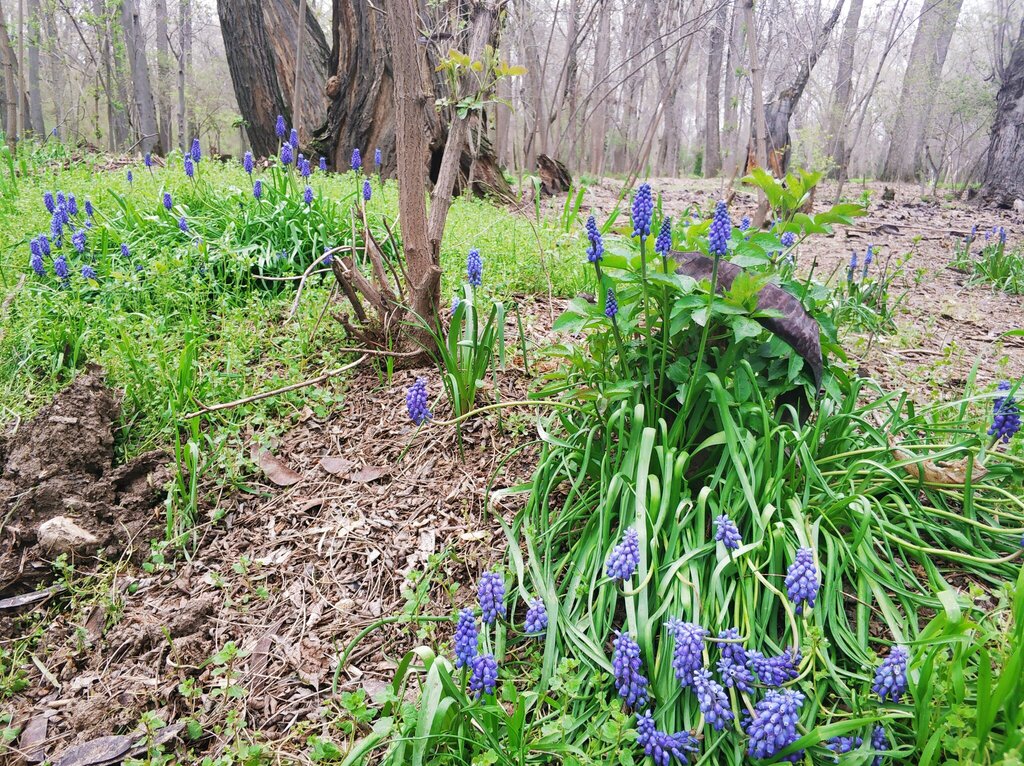
Grape hyacinths are low enough to be overlooked when they sit behind taller spring bulbs. A pot near a door gives their small flowers a better viewpoint. Walk past when the first spikes turn blue and you can see the pale rim around the tiny bells. A container also lets you decide where the bulbs will spend the rest of the year. That flexibility is useful if you like their appearance but have little open ground or want to keep bulbs that spread away from a carefully tended bed.
Choose the pot while you are thinking about its spring position. A container that is easy to overlook on an open patio may look just right on a broad step. A heavy pot that is awkward to carry can make aftercare troublesome once the flowers finish. Think about the whole year before buying the bulbs. The ideal display is one you can place where you want to see it, then take care of without disturbing the rest of the garden.
Decide how long you want to keep the planting
Muscari includes several spring-flowering bulbs. Armenian grape hyacinth, Muscari armeniacum, is widely sold and has closely packed blue flowers. A cultivar might be paler, darker or a little taller. Find the expected flowering season and height on the packet. Two groups that look similar in a photograph may open a week or more apart in your garden. A single variety is easy to plan around for a short concentrated display. A second small pot can extend the season without making you guess how varieties will line up in one container.
Some muscari spread by offsets and seed. In an open border this can make a welcome drift, but it can also make the planting difficult to remove. Before planting out surplus bulbs, check local recommendations and decide whether volunteers would be a problem. Keeping the bulbs in a container gives you more control. Clip spent flower stalks before seed ripens when you want to limit seeding. Offsets still accumulate inside the pot, so leave yourself a way to lift and sort the bulbs later.
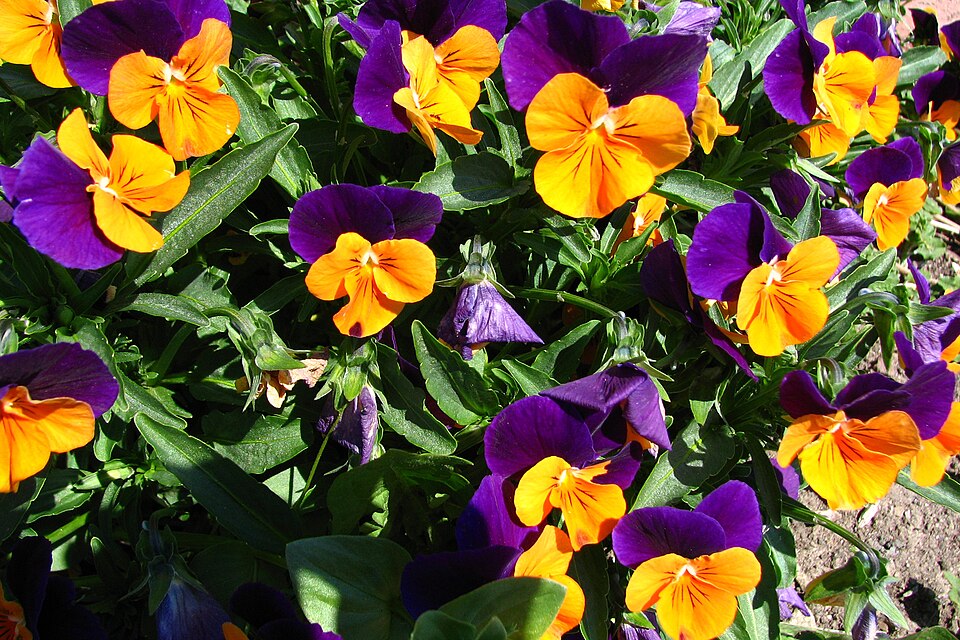
A pot can carry next spring's flowers alone or contribute to a changing group. Planting muscari in its own pot keeps that choice simple. You can stand it beside pansies, early primroses or a taller pot of bulbs and shift the group as each comes into flower. Roots that share a container are harder to divide while both sets of plants are in active growth. A stand-alone pot makes it easier to move this crop out of view while its foliage yellows.
Buy for the proportions of the container
Look for a sturdy, reasonably deep outdoor pot with several drainage holes. Pick it up before committing to the size, and imagine the weight of wet mix. Leave enough depth for a layer of mix below the bulbs and the cover depth on their packet. A wide rim lets you give the bulbs space without burying them under a large volume of damp mix. If the container has a narrow neck, it may be difficult to remove the root ball after several seasons. A gently tapered pot is easier to tip out safely.
Buy firm bulbs and keep the variety label. A dry outer skin is ordinary. Soft spots or a damp, musty smell are reasons to set a bulb aside. For a small standalone pot, lay out enough bulbs for a coherent group while leaving space between neighbors. Avoid squeezing bulbs against the pot walls. Water reaches the outer rim and the middle at different rates, and crowded bulbs can become difficult to separate cleanly after new offsets form. The label's depth and spacing guidance is a good starting point. You can make a display look fuller by placing it beside a second small plant as the flowers open.
Set the pot where it can receive sun or a little shade. A well lit spot in spring is particularly useful because leaves need light after flowering. Deep shade through their whole active season can weaken later displays. If the pot stands next to a large doorway or benchtop, check from your normal position that the rim remains visible. Make sure the pot will not narrow a route or rock on the step when the mix is wet. A place close to eye level helps only if the pot is secure there.
Plant and check drainage before winter
In a temperate climate, plant in autumn in an outdoor container. Put enough well-drained potting mix in the bottom to support the bulbs at the right level. Place them with the growing tips upward and cover to the recommended depth. Settle the surface lightly. Leave room below the rim for water so it does not sweep loose mix down the sides on the first pour. Add a label that will still be legible when only green leaves are visible.
Water to settle the mix if it is dry, and look for drainage from the bottom. Clear holes that are pressed flat against a slab by using stable pot feet if appropriate. In a location with long periods of heavy rain, a pot that drains freely still needs an occasional check. If the surface stays glossy and wet between storms, move it under modest shelter where you can control how much rain enters while keeping it cool and bright. It is easier to make that change before the pot has spent a month in standing water.
Some grape hyacinths send up leaves in autumn or winter. A green tuft months before the flowers is part of the cycle for certain types. It is not a signal that the pot needs indoor warmth. Outdoor conditions vary, and in very cold weather a small container can expose roots and bulbs to more severe freezing than the ground. Choose cultivars suitable for your area and give the pot the protection advised for overwintering containers there. Where winter rain is limited by shelter, check the mix periodically and water when it is drying during active growth.
Move the display as the spikes change
The first colored tips can be easiest to see from above. Turn the pot a little when you set it out if most spikes lean toward the light. Avoid handling the stems when you lift the pot. If one side comes into flower later, let that side fill in before judging the arrangement. You might leave a path-side grouping in place for a while and move it to a different position later in the display. Keep light and watering broadly similar where possible.
Check watering more often if the container moves into a brighter or windier spot. Feel the mix below the surface and water when it starts to dry, letting the excess run away. Pots inside decorative covers can hold water you cannot see. Lift the growing pot to check or use a planter with free drainage. Should the flower spikes lean because neighboring leaves are pressing tightly over them, move the adjacent pot a little rather than trying to tie up every short stalk.
Once most flowers have faded, trim spent stems if you want to prevent seeding or clear the view of the leaves. Leave green foliage in place. During that part of the year the leaves support storage for the next round. Keep the pot in enough light and continue to check the mix while those leaves are active. You can move it to a less prominent part of the patio without sliding it into darkness at the back of a shed. Wait for the leaves to yellow and die back naturally before clearing them away.
Sort the bulbs when you need to
Leave a pot alone after dormancy if the drainage and planting density are still working. If the flowers become sparse and the bulbs are tightly crowded, tip the pot out during dormancy and inspect it. Separate offsets gently and keep those that are firm. The smallest can take additional growing time before flowering. Use clean pots and fresh, open mix where old material has become dense or drainage is poor. Put enough flowering-sized bulbs back for the spring display you want. Give any extras their own growing space or share labeled, sound stock where appropriate.
Make a short note of where the pot looked best when its flowers were fully open. If the most attractive position was cooler than the rest of the patio, you can plant and overwinter there next time as long as drainage is good. If you carried the pot forward only after color appeared, you may have found a useful place for other short bulbs as well. Keep the empty spot visible until you know what you want to grow there. A small container earns its room by making a few weeks easy to see and the months afterward easy to manage.
If you are comparing two cultivars, keep their labels in the pots through dormancy. Two apparently identical heaps of dormant bulbs can bloom at different heights or at different times. A note on the back of each label will save you from buying a second group simply to reconstruct the first year's display.
Further reading: Royal Horticultural Society guide to grape hyacinths.