7 min read
Keep Two Age Groups of Foxgloves in a Flower Border
Use separate labels for rosettes and flowering plants so a biennial display continues from one year to the next.
On this page
A border of common foxgloves can disappear at the very moment it seems most established. The tall stems have flowered, several bear seed, and by the next year a new group of plants is still making its first rosettes. A missing display often reflects the ages of the plants. The usual biennial sequence is to establish a low cluster of leaves, then send up a flower spike in the following growing season. Hold on to one age group while you prepare the other and you can give the border a much more dependable rhythm.
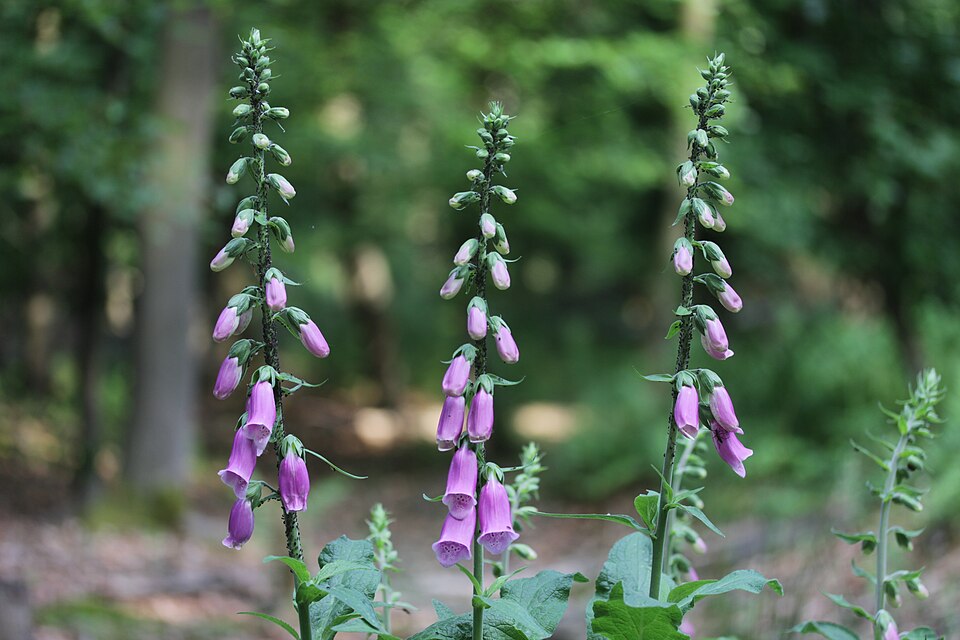
Common foxglove is Digitalis purpurea. It produces tall, sometimes one-sided spikes with tubular blooms, often spotted inside. It is an ornamental plant with a serious ingestion hazard. All parts, including the seed, are toxic. Choose a flower bed away from food crops and from places where children or pets are likely to handle or eat the plants. Wear gloves when handling foliage or seed and keep collected material labeled, stored and disposed of safely. If the household cannot give the plant a suitable place, grow a different ornamental.
Put the tallest plants where you can work around them
Choose a suitably sheltered position along the back or side of a flower bed. Common foxglove often does well in partially shaded ground with humus and free drainage. More light can work if local conditions and moisture allow. Check the position when summer foliage is present and after heavy rain. A sheltered site with enough light usually gives the spikes an easier time. A wind gap between buildings can make a two-meter stem much harder to keep upright, even if the plant otherwise likes the soil.
Pay attention to the direction of the usual view. Several flowers may open toward the same general side of a spike. Hold a stake where the stalk would be and look from the place where you most often see the border. A position slightly off to the side of a window or a gate can be useful. Leave the available area wider than just the thin line occupied by the stems. Plant rosettes can spread at ground level and require space among the neighboring plants.
Keep inspection access near the back of the planting. You will need to reach young rosettes for weeding and flowering stems when you decide which to keep for seed. Avoid placing the tallest plants tightly against a solid wall or other stems in a way that makes it hard to get to them. It helps to leave a short empty strip at one side of the row. The flower spikes can be seen from the front while you can work from the side without walking on young plants.
Start the diary with the plants you actually have
Keep two labels. Write the sowing date or known age on the label for the plants that are still rosettes. Mark the ones you bought in bud or that have already produced a spike separately. Common foxgloves typically spend one season as a rosette and flower the next, but selected cultivars can flower earlier and some individuals persist longer. Read the description and follow the packet or nursery guidance for your stock. Use the form you see in the garden to update your record.
If you want flowers in the first available season, use nursery plants approaching bloom and put a smaller younger group nearby. Leave room for the young plants to receive useful light before they need to produce a spike. Where you start everything from seed, expect to learn more about leaf and root growth than about flowers in the first season. Sow a smaller second group in the following suitable sowing period so you have replacement rosettes as the first group approaches or finishes bloom.
Sowing guidance will vary by climate and strain. In many temperate gardens, late spring can be a useful time to sow according to the packet, and young plants can be moved into position later in the growing season if conditions allow. Use labeled containers or a marked patch where the seedlings will be easy to identify. Give them good contact with the surface as directed by the seed supplier and avoid washing the tiny seed away. Keep others away from the seed tray and never use an unlabeled food container to store the seed.
Keep the first rosettes visible
Thin a crowded group while the plants are still small enough to handle in suitable weather. Use the spacing recommended for your form. Around 30 to 35 centimeters can be reasonable for some common foxgloves. Match the choice to the eventual width and nearby growth. Lift plants you want to move with some soil around the roots and settle them without burying the crown. Water after planting and check them during dry weather. The rosette that stays small through a hot or crowded period may need more time before it produces a spike.
Mark the edges of the first and second groups, especially if both have similar leaves. During weeding, look for living crowns below loose garden debris. A small foxglove can be hidden by an established perennial, even when the adult spike would rise above it. Watch how the light changes as other plants fill out. Open a little room for the rosette if it has been smothered, or move it during a suitable period if the competition will remain close.
When a spike begins developing, move the plant to the flowering side of your record without necessarily moving it in the ground. Check that it can stand. Many spikes remain upright in shelter. If a stem is exposed, add a discreet support and tie loosely, leaving the growing stem enough room. Place a support before the weight of open flowers makes the spike difficult to guide. A little lean toward the front of the border can be attractive where it does not obstruct access.
A simple way to compare the two groups is to let them share the same afternoon shade but plant them in separate short arcs. Leave an opening between those arcs so you can see both layers from the side. If the taller group will shade the younger plants, mark which side receives the most light before placing the second group. Put newer plants there when you can. In a narrow border, plant through two suitable gaps rather than trying to reserve a continuous row. Make a note of the location from a fixed feature, because the flowering row can disappear from view by winter even though the leafy plants are still easy to find.
Decide which spikes should mature seed
Look at the flowering row when the first stems finish. If younger rosettes already occupy enough space, remove most or all of the spent stems appropriately before the capsules release seed. If the younger group is small, you can keep a few stems on a plant in a place where volunteers are useful, accounting for local advice about spread. In some regions common foxglove can establish outside cultivated ground. Check local guidance near natural vegetation and make your seed decision before the pods open.
Seedlings may differ from a named parent in height or flower color. If continuity of a specific flower is important, buy appropriate seed or nursery stock rather than automatically saving the most conspicuous spike. Keep the label with plants of different strains. When you want a loose mixture, a small number of well placed volunteers can add variation. Removal is much easier when volunteers have only a few leaves. Look beside paths and other planting where you did not intend seed to settle.
A spike that has set seed can be much easier to recognize than a new rosette. Use that moment to update the diary. Record which group flowered, which group is still growing low and which plants, if any, may flower again. Keep both labels through cleanup. You will have a better chance of preserving a useful age mix if you can tell a spent flowering plant from a rosette with another season ahead.
Count rosettes before planning the next year
At the end of the growing season, inspect the bed slowly. Count healthy young plants with a clear place to grow. If they are clustered in one corner, decide whether a future move is worth the disturbance or whether that corner would make a sound new group. If there are none, plan the next sowing period and consider buying a few suitable flowering plants for the gap. If there are many, keep the best placed ones and reduce competition around them before their roots become entangled.
Keep the age record simple enough to use while you stand in the garden. One line for leafy plants and one for flowering plants is usually enough. Add the names when you compare cultivars, and write down whether you removed or retained seed pods. The first year in which young rosettes and full spikes occupy the bed together shows how well the positions work. Leave the places that proved valuable and let the next generation fill them on its own calendar.
Further reading: Royal Horticultural Society guidance on biennial foxgloves.