7 min read
Keep a Porch Boston Fern Through the Move Indoors
Set a summer fern where you can water it easily and make a realistic plan for its first weeks inside.
On this page
A Boston fern reaches its best shape on a porch at about the same time it becomes hardest to bring through the door. The long fronds hang below the basket, the mix is heavy after watering, and the only hook indoors might be above a heating vent. Decide what the move will look like while you can still choose both locations. You can keep a full fern through the season and give it a workable winter place if the carrying route, the available light and the way you water all make sense together.
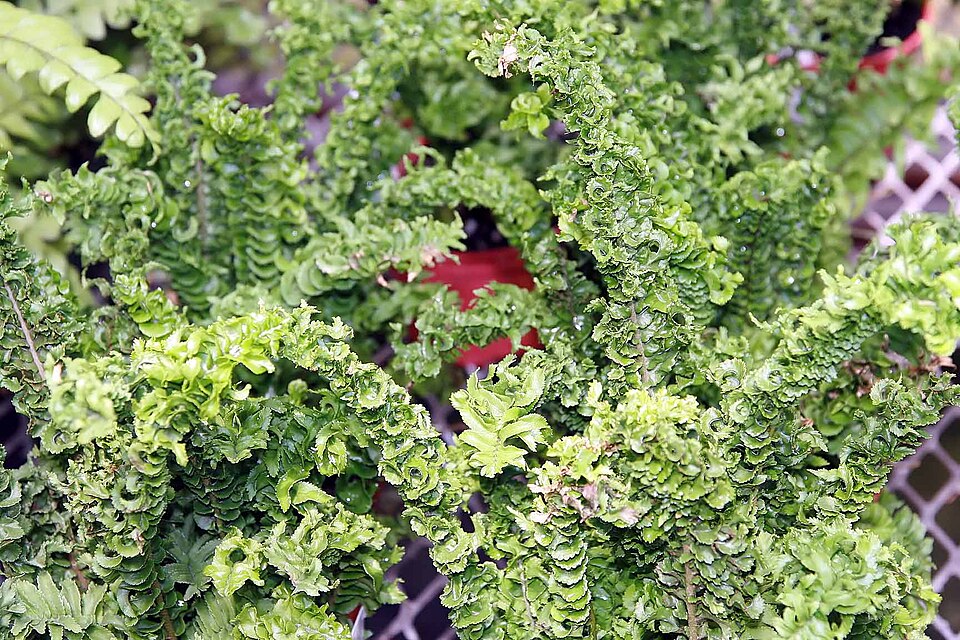
Boston fern is a garden form of Nephrolepis exaltata with arching, divided fronds. A sheltered outdoor position in the warm season can suit it, particularly where the leaves are shaded from strong direct sunlight. At the end of summer, bring it inside in climates with cold nights. Give the fern reasonable conditions through winter and expect growth to slow when light and temperatures change. The appearance of the first few fronds indoors tells you more about the new location than the look of a basket that was full when you lifted it off the porch hook.
Choose a porch position you can water from the ground
Stand where the basket will hang at the time of day when the light is brightest. Check the lowest fronds as well as the soil level. Deep shade under a wide roof may become quite dark, while the outer edge can receive an hour of harsh afternoon sun. Look for bright shade or light filtered by a screen or canopy. Young leaves can be damaged if a plant from an indoor sales area goes straight into strong sun. Move it gradually and observe a fresh frond through a few days of normal weather.
Use a hook and hanger intended for the full wet weight of the basket, mounted securely. Pick a level where you can unhook it safely and see the soil. If the position requires a reach above a stair or a railing, put the fern on a stable raised stand instead. The fronds will still have space to arch. Leave a clear route for people to pass without brushing the foliage. A fern that hangs slightly farther from the door may remain fuller on that side because its tips are spared frequent contact.
Let drainage go somewhere appropriate. A basket directly over a seat or a slippery step may be awkward to water thoroughly. Put a pot at a point where water can run off safely, or lower an accessible basket to water and let it drain. If the inner pot sits in a decorative cover, confirm you can get both out. Rain may reach the lower fronds without getting into the root ball under the eaves. Decide whether to water from the condition of the mix, even when the porch furniture is wet.
Learn how the summer basket dries
Check the medium well below the top after a normal watering. A good container mix holds moisture for the roots while letting excess water leave. Boston ferns generally prefer a more consistently moist root zone than many fleshy houseplants. Water when the mix begins drying, especially during warm and windy weather, and drain it afterward. If water rushes straight through while the basket still feels light, pour slowly in two passes and check the center. A shrunken portion of dry mix can leave the water flowing around the sides instead of into the roots.
A rim packed with leaves hides the surface. Part the fronds with one hand and add water low in the pot with the other. Work around the rim rather than sending the entire pour into one spot. If the basket is repeatedly dry before you return home, give it a less exposed position or check whether the roots have occupied almost the entire container. A dense plant may need more soil volume. Repotting just to gain weight can make the basket harder to handle, so select a container you can still bring indoors and water.
Feed an actively growing fern as appropriate for the mix and the product label. A plant already growing in fertilized mix may need little added feed at first. A pale frond on the windward side or wilting in a dry basket is not an automatic reason to feed. Address the growing conditions you can observe. As autumn approaches, check whether fresh fronds are developing and whether the growing medium is drying more slowly. Those changes help you adjust care before the indoor move.
Get the indoor spot ready before the cold night
Locate a spot with bright indirect light, away from drying blasts of indoor heat and cold air from a frequently opened door. In many homes, a place adjacent to a bright window works better than a hook in a dark room. Look at the route into the house. Carry the pot from beneath or use a secure handle you have already checked. Give the whole basket room to pass rather than bundling the fronds tightly. If the only indoor support is awkward, a sturdy plant stand may be easier to set near a usable window.
Know the forecast in time to move before damaging cold. University of Wisconsin Extension advises protecting seasonally outdoor Boston ferns when temperatures drop into the low 40s Fahrenheit, or about 4–7 degrees Celsius. Consider colder pockets around your particular porch. A basket in the wind can be exposed even if the nearby building stays relatively warm. Move it early enough to do a careful inspection outdoors. Bringing it in at dusk when the temperature is falling makes that job more difficult.
Look at the undersides of fronds, the base and the pot rim before moving it near other plants. Brush debris from the container and remove obviously damaged or dead fronds with clean tools if needed. Regular small dots on the underside of a healthy frond may be sori, the fern's spore-producing structures. Loose white patches, crawling insects or sticky deposits call for a different inspection. Set the plant apart initially if you suspect pests, and identify the problem before using any treatment. Keep room around the pot so you can check again once the leaves have settled.
Settle the fern with a lighter watering routine
Water use often falls after a move into lower light and calmer air. Check the mix before carrying on with the porch schedule. A basket that once needed frequent watering may now stay moist for several days. Keep it from drying severely, and let all drainage get away. A tray that used to suit outdoor care can fill up unnoticed indoors. Empty it after watering so the pot is free to drain and the roots have room for air.
The plant may shed damaged leaflets or lose some old fronds during the transition. Check whether the damage is confined to a side near a heater or to old fronds from outside. If the air is very dry, a suitable room humidifier maintained according to its instructions can help. Keep the plant clear of cold panes and avoid shifting it repeatedly. A visible change in the newest fronds after several weeks is a better guide to the position than the fate of one old leaf.
If you want a smaller plant and cannot accommodate the whole basket, choose a sound smaller fern or a suitable rooted division rather than cutting every frond to fit through a narrow gap as cold arrives. Healthy foliage serves the plant through the winter. A lower display can make even a wide basket fit comfortably by letting the fronds arc beneath the rim. Make the choice while you have time to give a new division appropriate conditions and can keep the established root ball in useful light.
If you check moisture best by lifting the pot, write down how the empty cover feels on its own. Indoors, decoration can make the assembled container feel heavy even when the root ball is drying. Keep a cloth nearby and check underneath the pot after it drains. That simple setup lets you use the same observation each time without moving the whole display.
Mark the easiest route back outside
While the plant is indoors, note from which direction the light reaches new growth and where you actually water the pot. When nights become safely warm again, return it to shade outside gradually. An indoor frond may not be ready for direct light or strong wind. Start in a protected position and watch for bleach marks or drying before rehanging just beyond the eaves. Check the mix more often after the move until you know how quickly it dries outdoors.
One year of moving the plant will tell you which size and hanger your porch can handle. If the fern was healthy but carrying it brought trouble, use a lower stand the following season. If the move was simple but the indoor spot was dark, plan a brighter winter position before buying a taller basket. Leave enough time for another season of fronds, with an arrangement you can water comfortably on both sides of the door.
Further reading: University of Wisconsin Extension guide to Boston fern.