7 min read
Plant an Alpine Strawberry Edge You Can Pick in Passing
Choose a labeled compact selection, set its crowns at soil level and leave a clear reach to the small ripe berries.
On this page
Alpine strawberries are often most useful when you pass them on your way somewhere else. You see a small ripe fruit under the leaves, pick it carefully and find another one later in the week. A planting that sits beyond a deep bed may produce well enough and still go unpicked. Put a small group where you can reach the whole crown and see its lower stems from a normal standing position. Choose the plant by its habit as well as its fruit. A line of compact runnerless crowns and a spreading patch of woodland strawberry ask for different kinds of space.
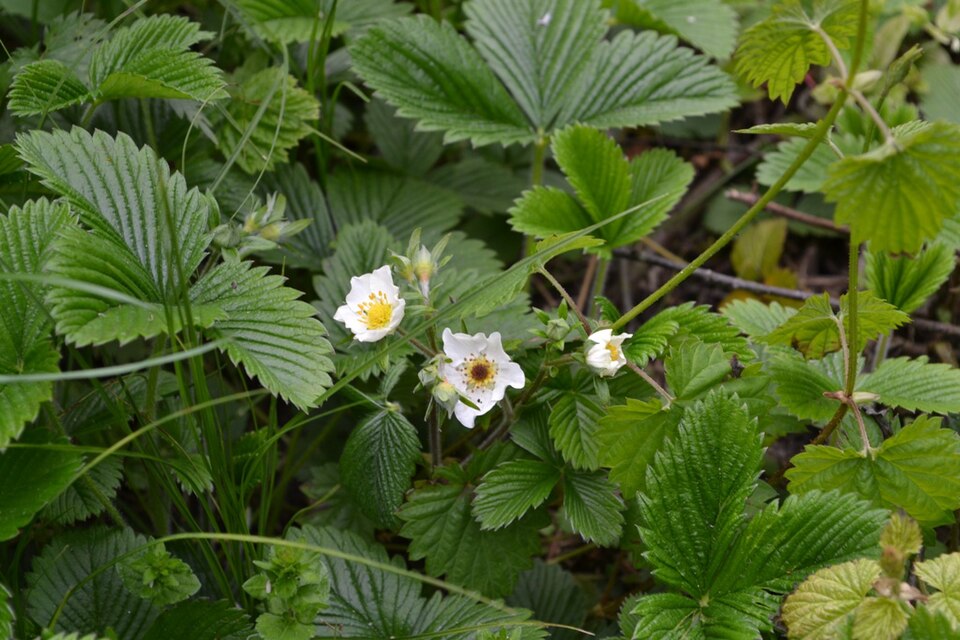
Alpine and woodland strawberries belong to Fragaria vesca. Some cultivated selections remain compact and do not send the long runners familiar from many garden strawberries. Other plants in the species can produce runners. Ask for the habit of the named selection before relying on it to make an edge. Red and pale-fruited cultivars exist. Alpine strawberry plants can look very similar in flower, so use the cultivar name to check mature fruit color and whether the plant sends out runners.
Pick a bed edge or a standalone planter
For a bed, choose a bright reasonably well-drained opening close to your normal route. The plant can tolerate partial shade, and more appropriate light usually helps fruiting. Watch the position as the surrounding plants grow. A partly shaded edge near a path can receive adequate light, while a deep narrow gap between two tall neighbors can stay dim through the season. Give each strawberry enough room to develop a low mound without being buried by sprawling stems.
Mark a starting row only as long as you can water and pick regularly. Stay far enough inside the edge that ripe fruit remains clear of feet. Place stones or a low border where they help keep soil in place without obscuring the first set of leaves. Give the surrounding roots their own room. If the bed has perennial weeds, clear them before planting. A long grass root mixed through a productive strawberry crown becomes difficult to remove cleanly.
For a planter, choose an open rim and a root volume that you can keep reasonably moist in warm weather. Drainage holes should be clear, and the pot should be secure and within easy reach. Put it on a stable stand if this will make the fruit visible without creating a tipping risk. Leave room to water at soil level. A shallow container can look practical in a narrow space and dry very quickly. Consider where you will keep it in a cold climate after the growing season and follow local advice about pot protection.
Choose plants by the habit you need
Labeled nursery plants are a good way to start a short consistent edging. Ask whether they make runners, and keep the tag with the row. Seed is another way to raise some cultivars, though germination and early growth can take time and new seedlings need regular attention. Use specific instructions for the cultivar and give small plants enough light before placing them outside. If you have bought two kinds, grow them in separate identifiable stretches while they are small. That makes the later comparison of roots, fruit and runners easier.
Set each plant so its crown sits around the soil line, with the roots below. When working with exposed roots, arrange them in the hole without bunching them upward. Firm soil gently and water to settle it. Check the crown after watering. Too much soil over the center can interfere with growth, and a plant set too high may leave roots exposed. Adjust the depth promptly if the plant sinks or moves. Space the crowns according to the variety's mature size instead of squeezing them into a continuous ring at planting.
Mark the planting with the variety and intended ripe color. If the nursery offered one runner-producing type and one runnerless selection, keep that difference on the label. Make the volume of new plants manageable so you can watch how their first leaves develop. A plant that has not rooted well is unlikely to give reliable information about fruiting. Let the new crowns settle and check the growing medium through the period they are doing that work.
Keep the low canopy visible while you care for it
Water when the root zone begins drying and let the excess escape. A strawberry wants adequate moisture while growing and fruiting. Soil repeatedly saturated at the crown or a mix repeatedly allowed to become very dry both deserve investigation. In a pot exposed to wind, check more often than you would in deeper ground. Move loose mulch away from the crown and avoid packing wet debris around the centers. Keep space to see the small stems carrying flowers and fruit.
Look for runners that extend from the parent. A young slender stem can cross the edge before a new plant has rooted. Trim it if you want a fixed outline and are sure it is a runner, leaving the main crown intact. If you want a replacement plant of a runner-producing cultivar, let a selected runner root in an appropriate place and separate it once it has established. The ability to work with a runner is useful, and you do not have to accept every plant it could make. Clear the route beside the path regularly while the growth is easy to identify.
Check the lower leaves after wet weather or a period of hot sun. Look for obvious physical damage, persistent wet soil or signs of feeding, and keep the area around the base open enough to see. A few marks on an older leaf can remain while new growth stays healthy. If the whole plant looks weak, assess water and light before taking more leaf material off. Shade under dense surrounding plants can hide both new flowers and evidence of damage. An open space beside the crown is useful for seeing them.
Judge tiny fruit by the variety and the season
Learn the mature color for your cultivar. For a red form, look for the expected ripe color and aroma; for a cream or yellow form, compare with the supplier's description rather than waiting for it to turn red. Check how easily a sound fruit comes away. Support the delicate berry and stalk as you pick. A ripe fruit can be quite soft and easily damaged. Gather only sound mature berries and use normal produce handling. Use a small shallow container if you have more than a few and avoid piling fruit under heavier produce.
Expect a modest group of berries over many visits rather than a commercial sized harvest all at once. A short row is still worth growing if those small pickings fit how you use the garden. Check both outer and inner sides of the leaves. A flower stem can bend underneath a broad leaf as the fruit ripens. When the ripe pieces consistently hide at ground level, shift the pot slightly or preserve a low clear viewing gap near the row. The easy harvesting route pays off most when you are gathering just a handful at a time.
Watch the difference between the first and second sides of a path. A brighter section may bear more fruit, provided its roots have water, while a protected spot may be easier to keep evenly moist. Note where you actually picked sound ripe fruit and where you repeatedly found already damaged fruit. The extra information is useful when deciding how far to extend the edge. You can improve that next group without changing the type of strawberry you bought.
Compare the container with the front of the bed
If you have one spare nursery plant, put it in a container and follow the same variety at the bed edge. Compare the times you need to water and the number of times you actually notice ripe berries from each location. One plant is not a reliable yield trial, but it can reveal a practical difference. Soil beside the path may stay cool longer, while the ripe fruit in a raised pot is much easier to see. A wide opening above the rim may also allow you to reach all sides without moving leaves. After a few weeks of fruiting, decide which arrangement works for your usual visits. A slightly smaller harvest that gets picked promptly can be more useful than a large one that goes unnoticed under a deep leaf cover.
Keep the useful number of crowns
After the growing season, check whether the row grew into the width you intended and whether you could approach all its useful fruit. In cold climates, protect a container according to local advice and mark the crowns in beds where surrounding leaves will disappear. Keep the labels so that the pattern of fruit color and runners remains clear next year. If the compact side of the planting did especially well, add new crowns only where they will have the same light and reach. A few small strawberries under their flowers can be enough to make the edge worth visiting regularly.
Further reading: University of Minnesota Extension guide to garden and woodland strawberries.