7 min read
Decide How Much Rhubarb a Crown Can Spare
Use plant age and the amount of healthy foliage left to choose a spring harvest that the crown can recover from.
On this page
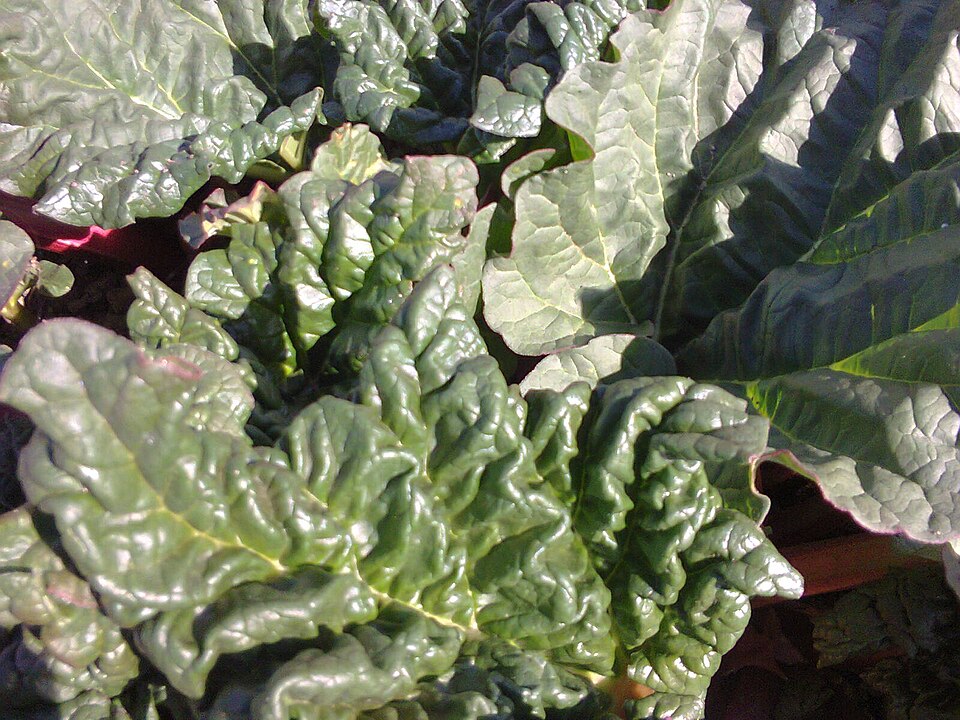
A broad rhubarb leaf can make the stalk beneath it look ready to pick. On a young plant there may be only a few such leaves. Taking them all would remove the part of the plant that needs to build the crown for the rest of the year. On a mature clump, a handful of sound stalks can be taken while a substantial canopy stays behind. Choose your harvest by looking at what will remain, not only at the stalks that look useful. It is easier to make a restrained cut when the rest of the clump is visible.
Garden rhubarb is a perennial grown for its fleshy leaf stalks, called petioles. Only the petioles of properly identified culinary rhubarb are used as food. Discard the leaves, flower stalks, crowns and roots. Keep leaf trimmings where children or animals cannot eat them. Different cultivars produce stalks of different lengths and colors. A naturally green stalk can be ready to harvest and a red one can come from a plant that is too small to spare it. The plant's vigor gives you the more useful guide.
Give a new crown one undisturbed growing season
Choose a permanent position with enough room for the full spread of the plant, deep soil and reliable drainage. Rhubarb is suited to climates with conditions appropriate for a cool-season perennial. Check local recommendations for cultivar and establishment. Pick a place that receives useful light and where you can reach around the mature leaves without walking across the crown. A narrow strip that fits the nursery pot now can become difficult to tend after the leaves expand into an adjacent path.
Start from a labeled crown or division where appropriate. Prepare the hole for the root system and use regional guidance for its depth and planting time. Water to settle loose soil and maintain adequate moisture as the plant establishes. Keep weeds down around it. An old group that has been divided needs time to establish as a new planting even if it came from a vigorous adult. Record the date it moved rather than judging it by the former clump's age. The roots it kept and the local growing period both matter.
Leave the first growing season for leaves and roots. A sound young plant may grow several stalks that appear large enough to take. Let them stay. Pay attention instead to the number and condition of new leaves, and allow them to complete their active season. If the plant struggles in its first summer, check water, drainage, competition and how firmly the crown is set. A poor year is a reason to postpone a harvest. Plants raised from seed often need more time than well grown divisions before you take the first modest pick.
Look at both the stalk and what it carries
When the mature plant begins active growth, identify several sound, firm stalks. Consider their size for the cultivar and the leaves that would come off with them. Redness is not a requirement. A medium stalk with a healthy span of leaves and many strong neighbors might be a sensible first choice. One large stalk carrying a substantial share of a small plant's canopy can be worth leaving, even if it would be easy to use in the kitchen.
Inspect where each chosen petiole enters the base. Follow it all the way down rather than grabbing across several leaves and twisting blindly. Look for younger shoots alongside it. Plan the first harvest from positions that are easy to reach without disturbing other stalks. Retain a substantial amount of healthy leaf area in both the outer and central parts of the clump. Once you have taken a few stalks, stop and look again before picking more. You can always return on another visit if the plant remains vigorous.
If the clump is only in its second growing season and doing well, keep any harvest modest. Follow local guidance on how much time a newly established crown needs. Limit the number of stalks you remove on one visit and give it another period of active growth. A weak or recently moved plant can have a beautifully colored stalk and still need its leaves. Let what you see at the crown outweigh what you see in the basket.
Use a clean pull and remove the leaf blade immediately
Hold a suitable leaf stalk near its base. Pull with a gentle twist where the stalk comes away readily, supporting nearby shoots if needed. Avoid tearing through the group of young leaves beside it. Set the harvested piece down and immediately separate and discard the entire blade. Use only the sound petiole as food and follow normal clean produce handling. Keep the discarded leaves separate from the part you will bring indoors. It is easier to avoid confusion when you separate the parts at each harvest rather than collecting several whole leaves in a bowl.
Check each stalk for damage and discard poor quality material. Weather injury can leave wilted, soft or split stalks that are not useful for the harvest. There is no need to rely on a tale about color or assume that a damaged stalk is ready because of a certain date. Evaluate the condition of both the stalk and the remaining foliage. If most fresh growth was damaged by unfavorable weather, the next useful harvest depends on how the plant responds rather than on whether a few older stalks are still standing.
Leave workable access around the plant afterward. A broad leaf may have covered a nearby rock or path in the spring. If you regularly need a longer reach, improve the path arrangement or work from the reverse side of the clump. A good rhubarb site is one where the crown can grow undisturbed and you can stand safely while you reach a petiole without pushing over the leaves you intend to leave.
Compare two plants by their leaves instead of their best stalk
Suppose one crown has three broad leaves and several just beginning to rise, while a larger clump has firm stalks across the bed and plenty of intact foliage. Take an early small harvest from the stronger clump if it is established and the timing suits. Leave the young or weak one alone and look at it again in several weeks. The size of its largest stalk is less helpful than the number of sound leaves and how regularly new growth appears. A plant that cannot keep a good canopy will benefit from more time.
Use the same comparison after a dry period. Look at soil moisture and how the youngest leaves emerge in the cooler part of the day. If a large clump has slowed and soil is dry at the roots, water appropriately and wait rather than continuing a routine established during wet spring weather. If only one side goes limp and soil is already wet, inspect for physical damage or a drainage issue. Those differences are worth recording before you decide why one plant can spare fewer stalks than the other.
A strong bed can still supply too much rhubarb to use at once. Take enough for a particular recipe or intended use and leave the rest standing. Sort sound edible petioles from bruised material and leaf waste as soon as you pick. Use normal storage guidance suited to the size of the harvest. A stack of leaves cut merely because they look ready can add unnecessary work and reduce the foliage that will feed the crown.
At the end of the season, draw a rough outline of the clump you left standing. Include the reach around the crown and any plants that shared its light. Compare that shape with the area you assigned when the crown was small.
End the main harvest while the leaves still have work to do
In many temperate gardens the main harvest finishes by early summer, with local timing adjusted to the climate and the strength of the plant. End earlier if the clump is weak or the number and size of useful stalks have declined. Give healthy remaining foliage time to replenish the crown over the rest of its active season. Water and manage weeds as conditions call for it. A rhubarb bed remains in use long after you stop taking anything from it.
If flower stalks appear and the aim is leaf-stalk production, remove them when appropriate. Look for the noticeably different rising stems and keep nearby leaves intact. Do not harvest those flower stalks for the kitchen. Older crowded crowns can be divided at a suitable local time, often in dormancy or early growth. Choose sound sections with growth buds and roots. Set them in workable, well-drained ground and give each piece the establishment period you would give a new planting.
Keep notes about the first leaf, your first small harvest and when you stopped. Compare the canopy after the main picking period with what it looked like before. A well tended established clump should have healthy leaves left to grow. If you used every sturdy stalk at once and almost nothing remained, plan shorter visits next spring. The best measure of how many stalks were available is the healthy plant you still had when the work was done.
Further reading: University of Minnesota Extension guide to growing rhubarb.