7 min read
Set Little Bluestem Back From a Dry Path
Measure the reach of the tall flowering stems and leave room to enjoy the grass through winter without narrowing the walk.
On this page
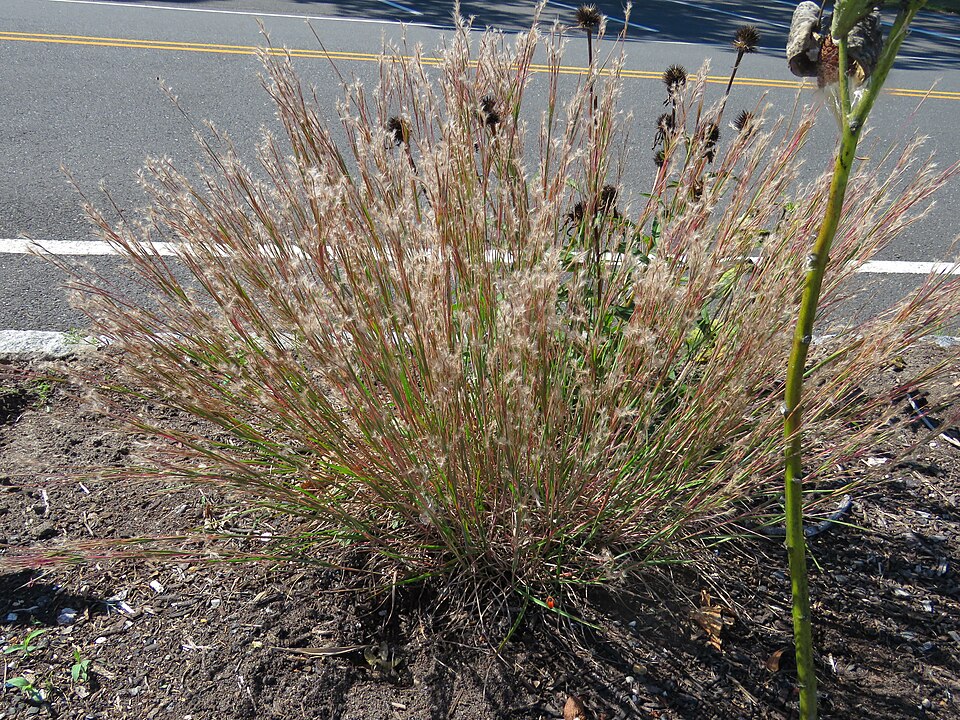
The summer leaves of little bluestem can fit into a fairly small opening. By late summer, flowering stems rise well above that mound and can lean across the very path that made the grass visible. A young potted plant gives little sense of the distance between those two shapes. Plan for both when you select the planting spot. The advantage of working backward from the full grown stem is that you can retain it through autumn and winter without trimming every branch of the grass that touches the way through the garden.
Little bluestem, Schizachyrium scoparium, is a warm-season bunchgrass native across much of North America. It takes time to green up in spring. The summer leaf mound and the taller flowering shoots play different parts in the border. Seed stems can approach five feet in some plants and sites, while named cultivars vary. Read the label for both stages and check which local plants or sources are appropriate for your area. Choose a cultivar with a firm habit and manageable size when the space is especially narrow.
Measure from the edge you use
Start with the narrowest point of the path after all the nearby plants have grown. Hold a stake at the expected mature height and point it toward the walk at an angle you can imagine after a soaking storm. Mark how far the tip can come before it is in the way. Move the proposed crown back from that line. Include room for a hand tool, a person carrying a watering can or the turn at a gate. If you need to hold the test stake perfectly vertical to fit it, the actual planting position probably needs more clearance.
Look at the result from the other end of the path. The extra space between the crown and the path may give the stalks a much better background. Uncut heads can catch light across a low bed, especially with an open view beyond them. A row placed too close to a wall may become shaded from one side or obscure the shape of the grass. You can shape the view with a single plant offset from the path, instead of putting a long line in the smallest space along it.
Take a few moments to check the light at different hours. Full sun and free drainage suit the species. A tall grass that leans toward a single gap may be reaching out of shade. A very fertile site can also encourage soft growth that lies over after rain. Use the sloping or lean, freely draining ground where it makes sense, while keeping access to water for the first season. A dry ornamental slope can be a good home for grass, and a structurally unstable bank deserves separate advice. One new plant will not make an unsafe slope safe.
Install it for the season when it will grow
Plant where the crown can establish during the local growing season. Spring planting can give a warm-season grass an opportunity to root as the soil warms. Check the root ball and use a hole big enough to set it at its former level. Keep the surface of the crown exposed enough to see the leaves emerge. Cover and firm the roots, then water thoroughly. If you would have to cut heavily into existing tree roots or disturb a path foundation to reach the marked place, shift the position a little. It is better to change the layout now than lose one or both plantings in the long run.
In the first growing season, check moisture below the surface and water when the root zone is drying. Little bluestem's drought tolerance applies more to established plants than to a new nursery root ball. A slow soak allows water to reach below the crown. Check frequently enough to see how small plants respond to warm dry weather. Later, reduce watering according to the actual moisture in your soil. Avoid adding heavy nitrogen simply to make the first summer clump fill its expected outline. The mature plant will have several growth cycles to reach useful size.
Use the initial interval to keep nearby weeds down. Small plants can be hidden in a fresh border before their warm-season growth accelerates. Put a marker beside the crown that can remain visible after the old stems are removed. Keep any mulch at a suitable distance from the center so it does not bury the emerging blades. A bare narrow strip between the crown and path can help you see both its outline and any new seedlings that appear later.
Judge the flower stems before deciding the plant leans
Look at the position after the stems extend. Note which ones stand clear of traffic and which ones reach into the path. A naturally loose flower stem is part of the species' shape. A plant that is resting across the path with most of its weight on one side may need more room. Identify what caused that shape before adding a permanent support. The plant may be exposed to wind from one direction, shaded by a neighbor, or growing much taller than the label suggested in richer soil.
If a strong storm pushed only a few sound stems, lift them gently where practical and support just the part that keeps the route clear. Trim broken stems if they snag feet or block the path. Avoid cutting every flower stem just because one has fallen. Their small hairs can catch the light as seed heads develop, and leaf colors often change from blue-green or green toward copper, red or burgundy in cool fall weather. Actual color depends on the selection, climate and season. Observe from a route you use regularly instead of prescribing a precise color date.
Check for seedlings where seed has fallen onto open ground. The grass can self-seed in some situations. Young volunteers may be useful where they fit the planting and are locally appropriate. Remove them while small where they occupy the path, at the edge of a wall or among small plants you want to keep. Distinguish separate seedlings from new growth within the clump. A stable marker will show whether the old crown is simply wider after another season or another plant has started a little farther away.
Keep the best stems through the cold season
Leave sound upright stems where they remain visible and clear of the walk. Observe how they respond to rain, snow or ordinary wind in your region. Stems may stay distinctive all winter on one site and collapse quickly on another. A small group with no practical work around it can support an upright winter view. Where a broken stem catches people as they pass, trim that stem while leaving the ones still doing their part. Use clean tools and plan where the material will go before you start.
In late winter or early spring, before significant new growth, remove old stems as appropriate for your climate and plant. Wisconsin Extension gives a typical cut height of roughly two to four inches. Look for live shoots around the crown before making a cut, and adjust if they are already rising. Warm-season grasses can take time to look active. An apparently quiet crown does not need to be replaced just because cool-season plants elsewhere are already green. Keep the spot labeled until you can see what it has done.
An alternative to moving an older clump is to let the next planting define the path further along. For example, a wide sunny turn can hold two plants set well back from the inside corner. Keep enough bare ground to see where seedlings are likely to cross, and place a lower plant in front only if it will not block that view. Compare the established clump with the newer ones during late summer. If the new plants repeatedly stand straighter at the sunny turn, you have found a better place for future replacements. The original may remain useful with smaller adjustments while the new ones establish.
Take the winter footprint into the next plan
A summer photograph shows what you bought the grass for. A winter photograph taken from the path tells you whether its mature stems fit. Compare these two views and note where you could safely walk in wet weather. If the plant stayed within its allotted space and the old stems held their shape, another offset clump can repeat the effect. Allow the same generous gap, even if the early shoots look much smaller than the space around them.
If the stems leaned into traffic every year, change the layout in a suitable planting season. Use a site with more light or freer drainage if those were limiting, or choose a shorter form where the path cannot spare another inch. Keep the dry, sunny position that favors the grass and give the autumn stems room to be seen at their natural height. The view works when most of the plant can stay standing until you are ready to clean it up.
Further reading: University of Wisconsin Extension guide to little bluestem.